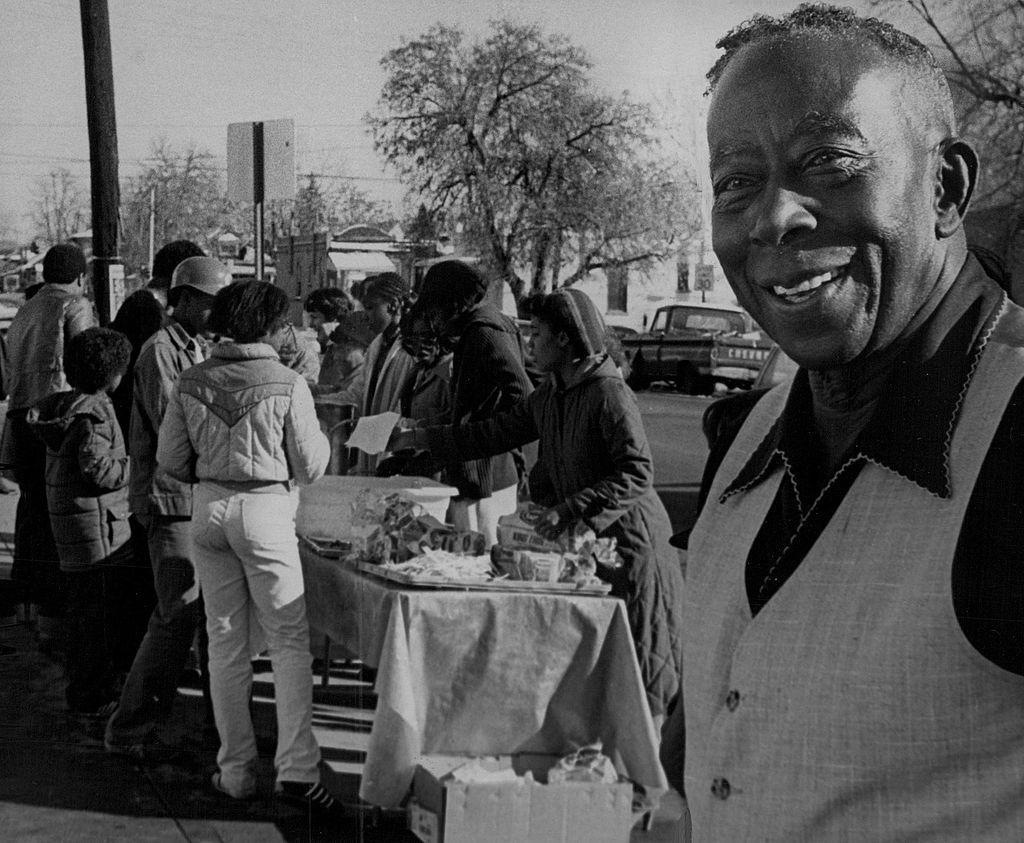
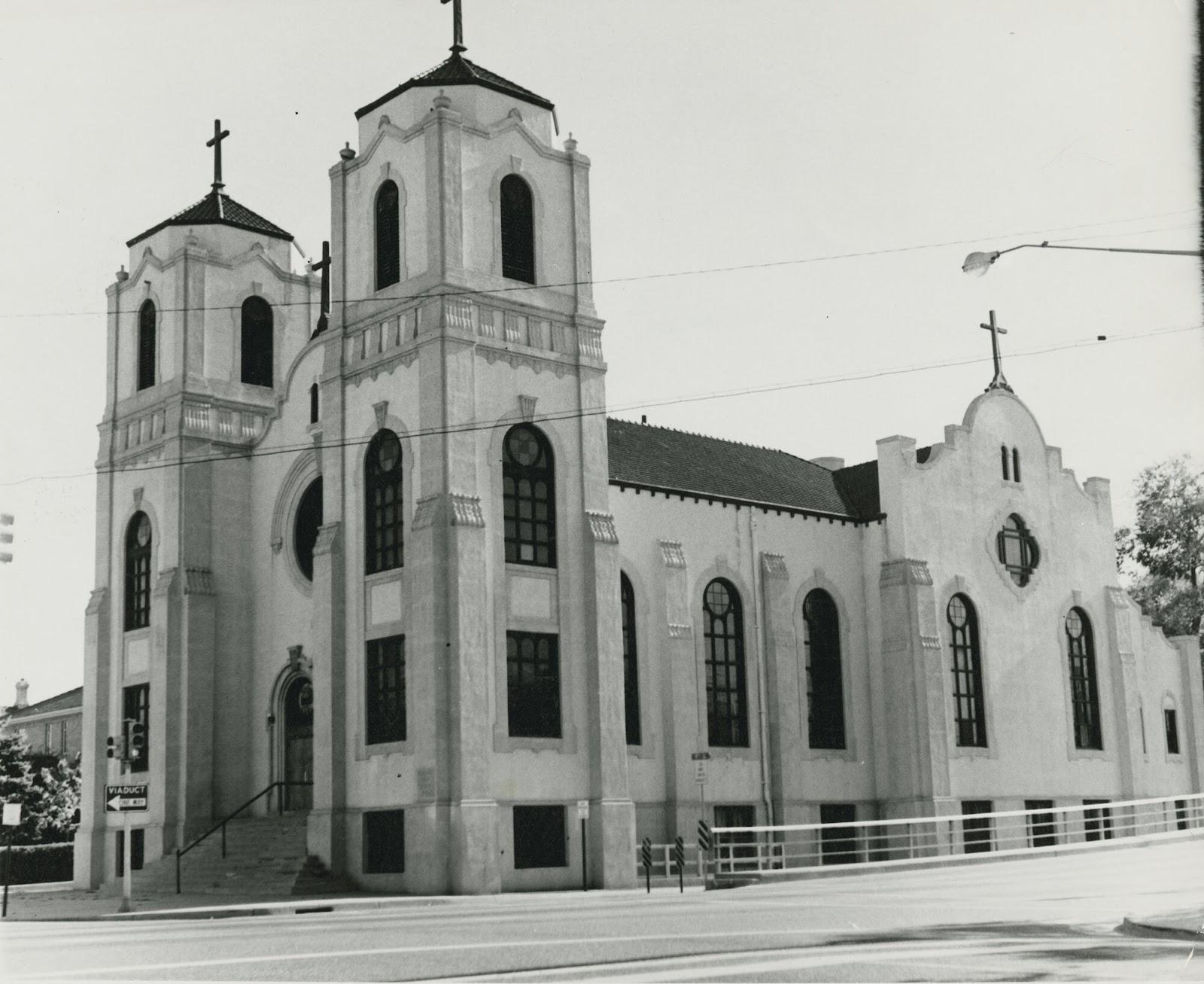
Before the Auraria neighborhood was demolished in favor of the college campus that stands in its place today, it was a vibrant city center made up of homes, businesses, and churches. St. Cajetan’s was the heart of the Latino community in Auraria and is one of the few remaining monuments to the area’s past.
The church played a central role in the fight to save the original neighborhood. Following the 1965 flood that devastated much of Denver, a plan was put in motion to scrape the entire community and replace it with the Auraria Higher Education Center, but city leaders needed the official support of the people to make it happen. So, in the fall of 1969, Denver voters were asked to approve a bond issue to fund the demolition and renewal project. Father Pete Gacia — St. Cajetan’s pastor — organized his congregation and neighbors to vote “no” on the bond, but the vote passed by 52% anyway and the plan to raze the neighborhood went forward.
St. Cajetan’s parish eventually found a new home in the Barnum West neighborhood, but the original church still stands today as a community space and gathering place for displaced Aurarians and their descendents. Built in 1926, the mission-style and Spanish Colonial-influenced structure with pale pink stucco and a clay tiled roof can be found at the corner of what was 9th and Lawrence Streets, now a registered historic landmark and a beacon of Denver’s original “Westside”.
A special thanks to the Denver Public Library’s Genealogy, African American & Western History department for the detailed history of St. Cajetan’s and the Auraria community, as well as the Denver Architecture Foundation’s archives.