
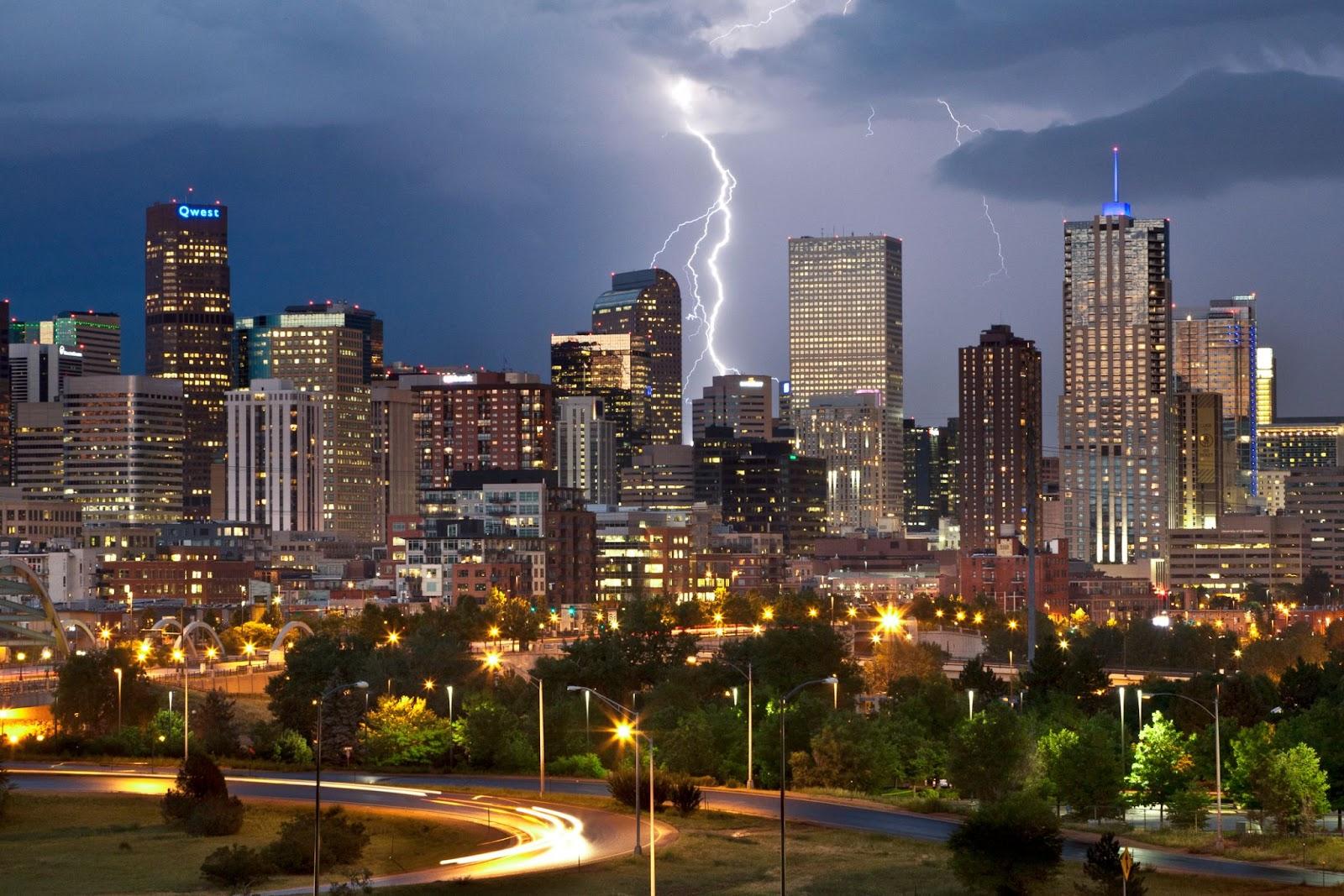
If you’ve been in Denver for any length of time, you’re used to keeping extra layers in your car — everything from a spare pair of Crocs to your down micro-puff jacket — because you know there’s a very real chance you could need both in one day, especially this time of year.
If you grew up here, it’s just something you’ve always known, no questions asked. But if you're new to the Mile High, you might just be wondering: What the heck is with Colorado’s crazy weather??
The simple answer: A very unique location
The mountains
Denver’s location right next to the mountains is the key reason for so much unpredictability. Tall peaks are notoriously disruptive to wind flow, with gusts of warm or cool air spontaneously rolling down from the mountains and changing temps in the Front Range quite suddenly.
The dry air
Colorado’s naturally arid climate also means rapidly changing temperatures, since dry, thin air heats and cools faster than dense, humid air.
Prime positioning
Our mid-latitude location in the continent also plays a part, meaning cold air from the Arctic often runs smack into warm air from the Gulf of Mexico, resulting in intense weather anomalies.
Check out this article from our friends at CPR for more reporting on this topic.
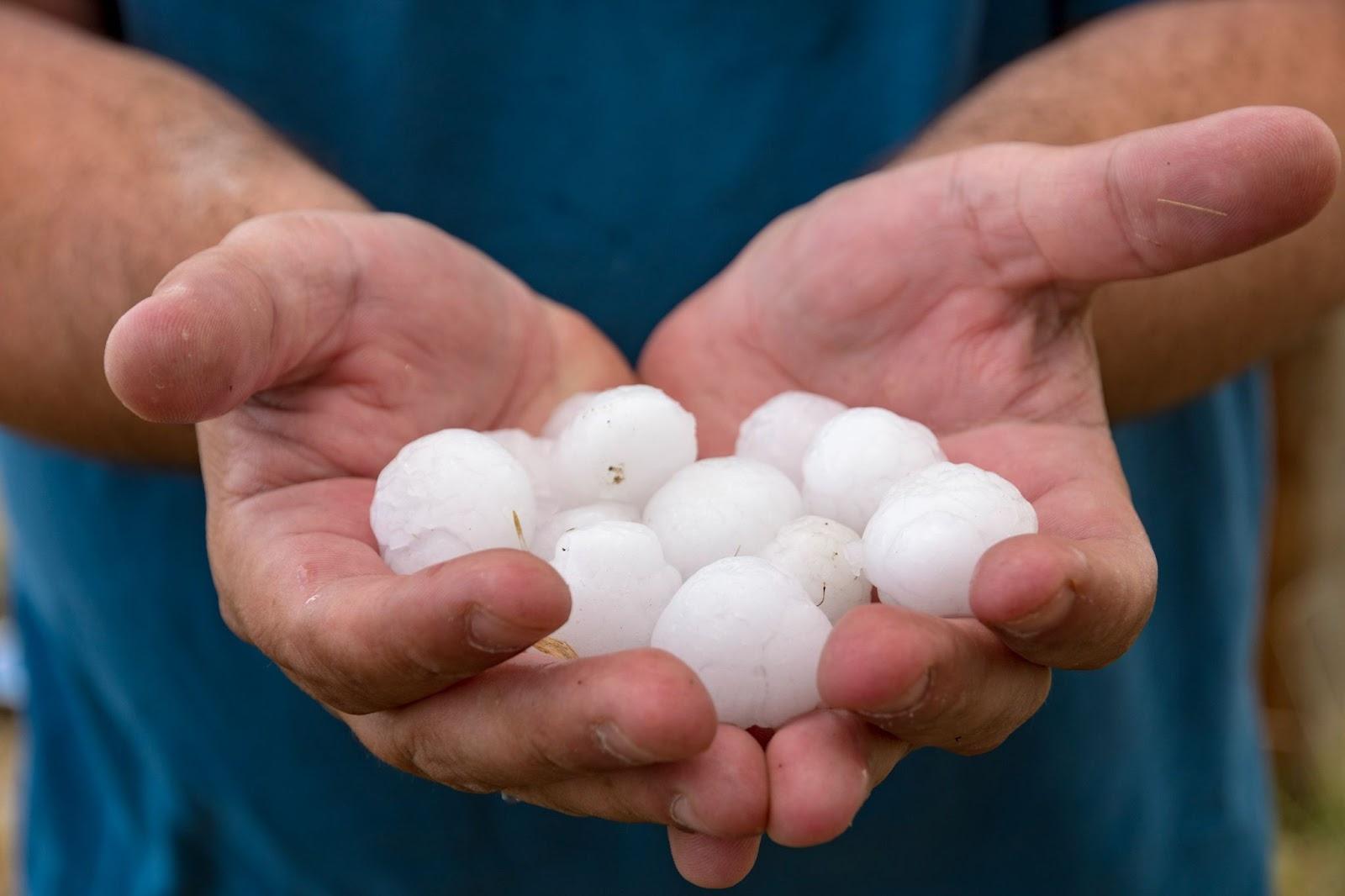
Massive hailstones following a 2018 Denver storm. (John Finney / Getty Images)
Colorado Weather Fact or Fiction
Is climate change making our weather swings worse?
Well, it certainly isn’t helping. Scott Denning, a climate scientist and professor of atmospheric science at Colorado State University, likes to use a baseball analogy to break it down, where pitches are the weather, the batting average is climate, and steroids represent carbon dioxide.
So imagine if steroid-deniers said, ‘You can't blame steroids for the batter hitting a home run.’ You can't if it is just one home run, but you can if he hits a home run 50% more after taking steroids.
Scott Denning, Climate scientist and professor of atmospheric science at CSU
Is Colorado getting windier?
Despite it certainly feeling that way, local weather experts don’t actually think that’s the case.
Does Colorado really get 300 days of sunshine?
Nope. Turns out that was just a 19th-century myth crafted by railroad publicists to boost tourism 🤷🏻♀️ Get the full story 👇