It’s been almost four years since the original strain of COVID-19 mutated, taking its tour through the Greek alphabet. Variants Alpha, Beta, Epsilon, and Delta — and their sub variants — hit the U.S. hard before vaccines became available.
Now, there’s a new dominant strain: JN.1.
The Progression of JN1
The new strain is fueling a spike in cases across the U.S., where it currently accounts for about 60% of confirmed infections. In Colorado, data shows roughly 40% of COVID cases are JN.1.
With holiday gatherings and cold weather driving people indoors, JN.1 is perfectly aligned with peak respiratory virus season. According to the Centers for Disease Control and Prevention, national hospital admissions for COVID were up 20% in the last week of December.
What’s special about this strain?
- So far, it looks like JN.1 causes similarly severe infections compared to other variants — no better, no worse.
- However, it has a spike protein mutation that helps it avoid antibody detection, which has likely contributed to its rapid spread, according to Yale Medicine.
Vaccines and Testing
Even with its spike protein mutation, tests, treatments, and vaccines all seem to work with the new strain. “The JN.1 variant doesn’t change how we can protect ourselves and our communities,” the CDC wrote in December.
Get vaccinated if it’s time for a booster, experts recommend. While about 72% of Coloradans completed the full primary series of COVID vaccinations, only 30% of Colorado adults opted for an Omicron dose, according to the state’s vaccination dashboard.
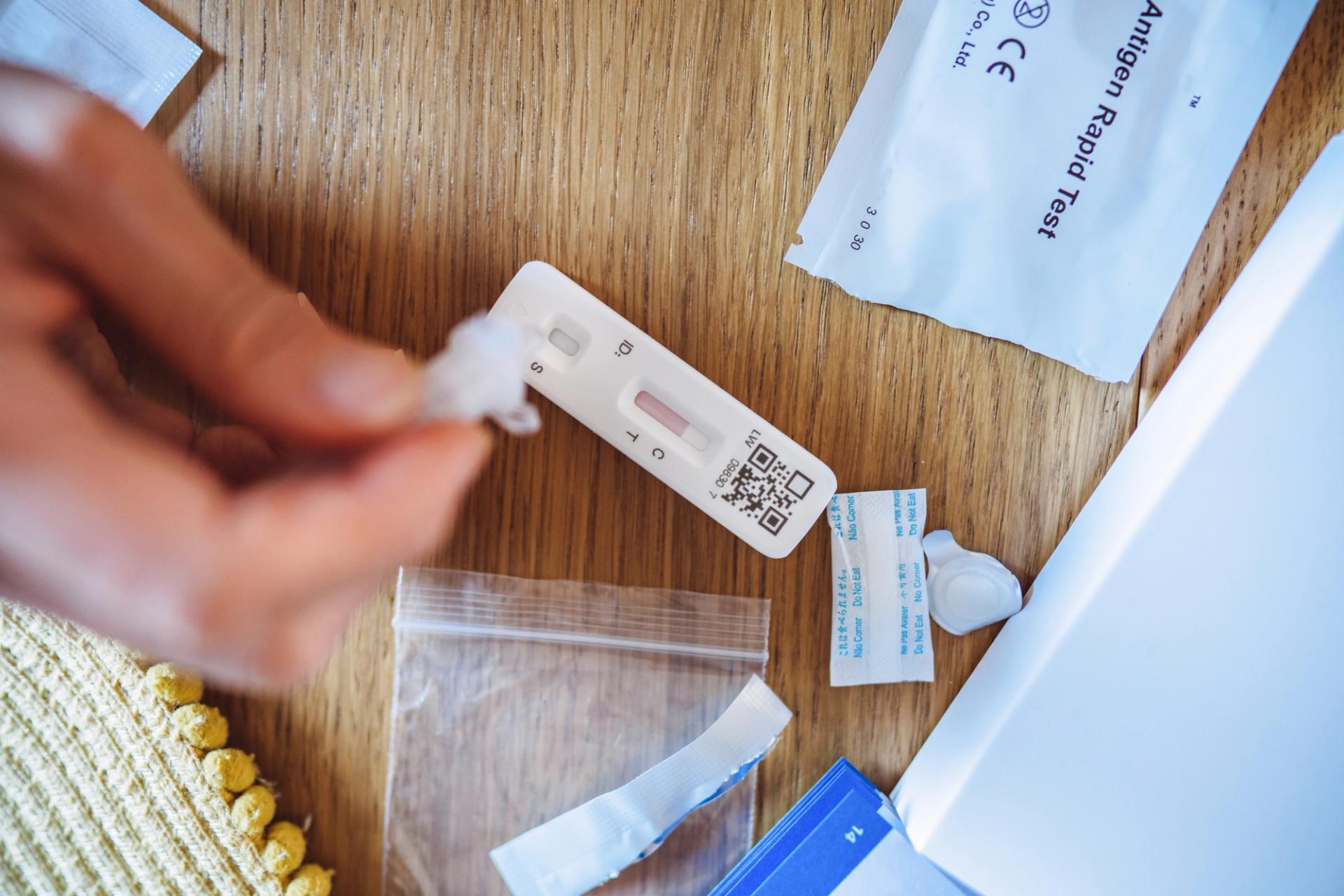
Test for JN.1 if you have known contact with someone who’s been infected, or if you have any of the common COVID symptoms: sore throat, congestion, fatigue, muscle aches, fever, loss of taste and/or smell, cough.
If you haven’t already taken advantage of it, the federal government re-upped its offer for four free at-home COVID tests in late November.
Treat your COVID infection by talking to a healthcare provider and see if treatments like Paxlovid, available at many local pharmacies, could help.
Correction: Originally, this article contained two errors. The first was regarding the timeline of vaccine rollouts and the Omicron and Delta variants, and the second referred to the most recent hospitalization reports, which only go through Dec. 30. We apologize for the mistake, and the article has been updated.