
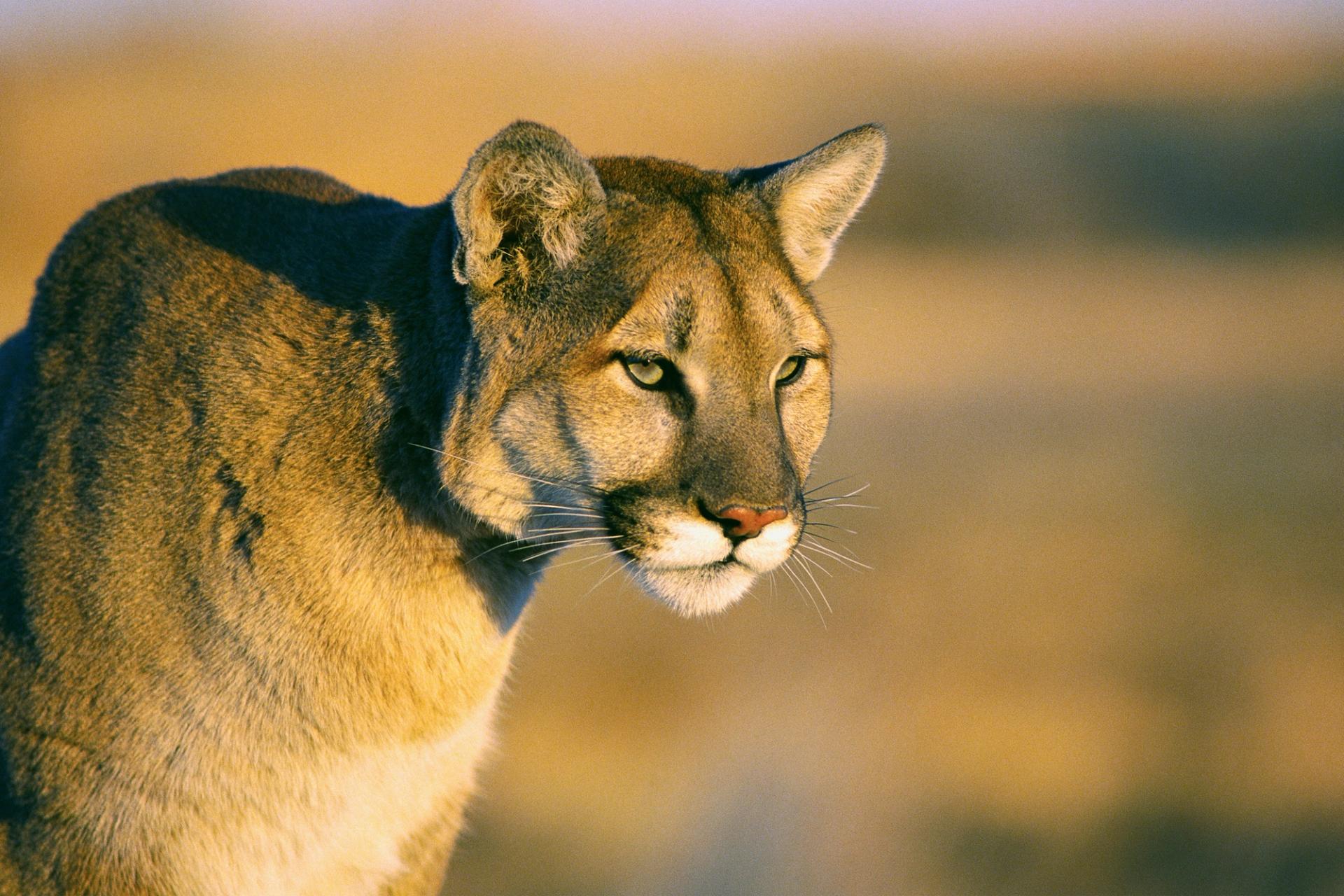
For those who live on the Front Range, stories of encounters with mountain lions are common — maybe you’ve spotted one yourself. This November, Proposition 127 will ask Colorado voters if trophy hunting for mountain lions, along with bobcats and lynx, should be banned in the state. So, how common are these big cats, who’s hunting them, and how will Prop. 127 affect Coloradans?
Colorado’s Mountain Lions
According to Colorado Parks & Wildlife, there are an estimated 3,800-4,400 mountain lions in the state, the majority of which live on the west side of I-25 along the Front Range. Also known as cougars, panthers, and pumas, mountain lions are the largest of the three big cats included in Prop. 127 and the species that’s more likely to come into contact with residents.
Lion-human encounters are not uncommon — a camper in Cañon City recently killed a mountain lion with a shovel, claiming self defense, but that’s the exception not the rule. A story of a mountain lion attacking a man in a hot tub last year also made the rounds.
Who’s Hunting Mountain Lions
Mountain lions were classified as big game in 1965, allowing for recreational hunting across the state. Hunters must first acquire a species-specific license and are mandated to report all successful killings to Colorado Parks & Wildlife, which then conducts a check of the animal and collects data before a hunter can legally possess the animal. CPW also limits the number of mountain lions that can be hunted each year.
An average of 505 mountain lions are “harvested” each year, according to CPW.
What Happens if Prop. 127 Passes?
Initiated by a statewide coalition called Cats Aren’t Trophies (CATs), this proposition would prohibit the intentional “killing, wounding, pursuing, or entrapping a mountain lion, bobcat, or lynx; or discharging or releasing any deadly weapon at a mountain lion, bobcat, or lynx.” First time violators would be charged with a misdemeanor and prohibited from getting a hunting license for five years. A second offense would ban a hunter from getting a wildlife license for life. Exceptions would be made for accidents and the defense of human life. CATs website says hunting mountain lions is “inhumane, unnecessary, and serves no public good.”
Opponents of the proposed measure include former CPW carnivore biologist, Jerry Apker, who says hunting is the best tool for managing wild cat populations and a ban would “widen the polarization between urban and rural Colorado.” Republican State Senator Perry Will also opposes the proposed measure, adding that wildlife management should be left to professionals, not voters.
A CPW fact sheet says its data is inconclusive on whether hunting leads to fewer or more conflicts with humans. CPW says it takes no position on the proposed ban and would enforce it if it passed.