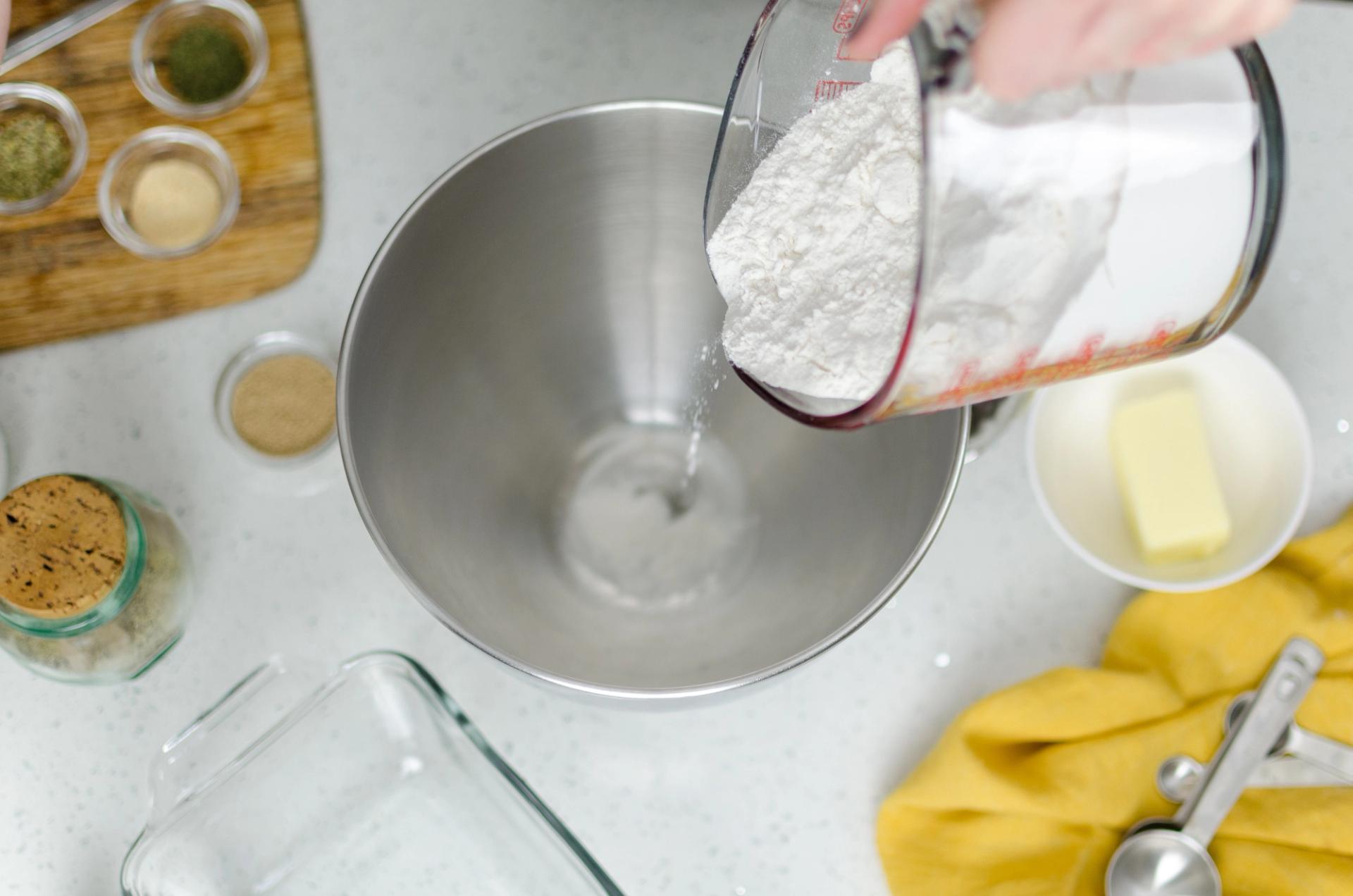
The holiday season calls for pies, cookies, cakes, and baked goods galore. But after you’ve busted out the oven mitts and cracked open your recipe book, you might find yourself stumped by a time-old Mile High baker’s dilemma — adjusting for altitude.
Fact or Fiction?
Is baking at altitude really a thing? According to the Colorado State University Extension — yes! The university’s extensive page on High Altitude Food Preparation says, “At altitudes above 3,000 feet, preparation of food may require changes in time, temperature or recipe.”
Why? Lower atmospheric pressure. Apparently, decreased pressure can affect food prep in two major ways. First, liquids evaporate faster and boil at lower temperatures. Second, leavening gasses in breads and cakes expand more quickly.
Tips for Modifying
Susan G. Purdy, a professional baker based in Leadville, CO (elevation: 10,151 feet!), is the homegrown authority on baking above sea-level. (See her cookbook “Pie in the Sky: Successful Baking at High Altitudes.”)
Purdy says the first step is trying your recipe without any modifications. Then, if you think changes are necessary, try these adjustments, starting small and increasing as needed.
- Increase every cup of flour by 0-2 tablespoons
- Decrease every teaspoon of baking powder or baking soda by ⅛-¼ teaspoon
- Increase sugar measurements by 0-2 tablespoons
- Increase every cup of liquids by 2-4 tablespoons
Psst! Not much of a home chef? Check out our recent roundup of Denver’s best bakeries 😋