
Yesterday’s cooler weather was a good reminder that colder temps are well on the way. Local meteorologists predict Denver’s first freeze will arrive before the month is over, which makes now the ideal time to start getting your yard ready to ride out winter. Try these tips:
Blow Out Your Sprinklers
Leaving water in your sprinkler system over winter runs the risk of freezing and bursting pipes. You’ll want to shut off your watering system for the season and blow out the pipes (something you can do through a professional or DIY-style).
Deploy a Winter Fertilizer
Using a winter-specific lawn treatment will help your grass stay strong through the cold months. You can also consider aerating before the first snow fall to support drainage and airflow throughout winter.
- Try winter watering: Your lawn still gets thirsty in the winter. Consider watering it with a hose on days over 40 degrees (do NOT turn on your sprinkler system). Winter watering also helps avoid mites!
Get Rid of (Some) Dead Leaves
Though some experts believe a layer of dead leaves can help protect and insulate your lawn from the cold, too thick of a layer can actually smother it. Additionally, while piles of dead leaves can help shelter insects and other small critters, they can also foster a breeding ground for lawn-damaging pests and diseases. So rake with discretion.
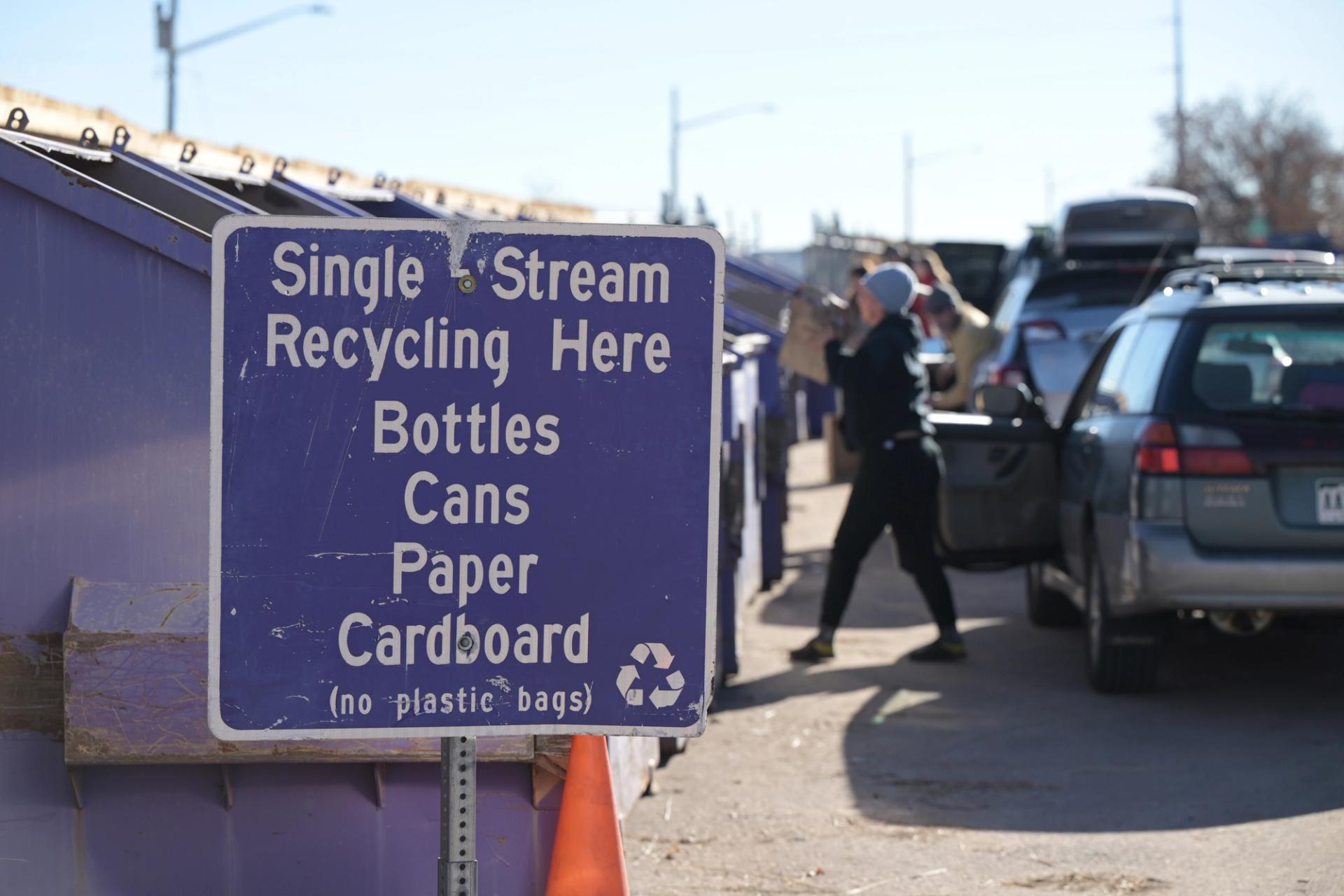
- Speaking of: Denver’s annual LeafDrop program kicks off today! Residents can drop off dead leaves, pumpkins, and other approved lawn debris for free composting.
Protect Your Plants
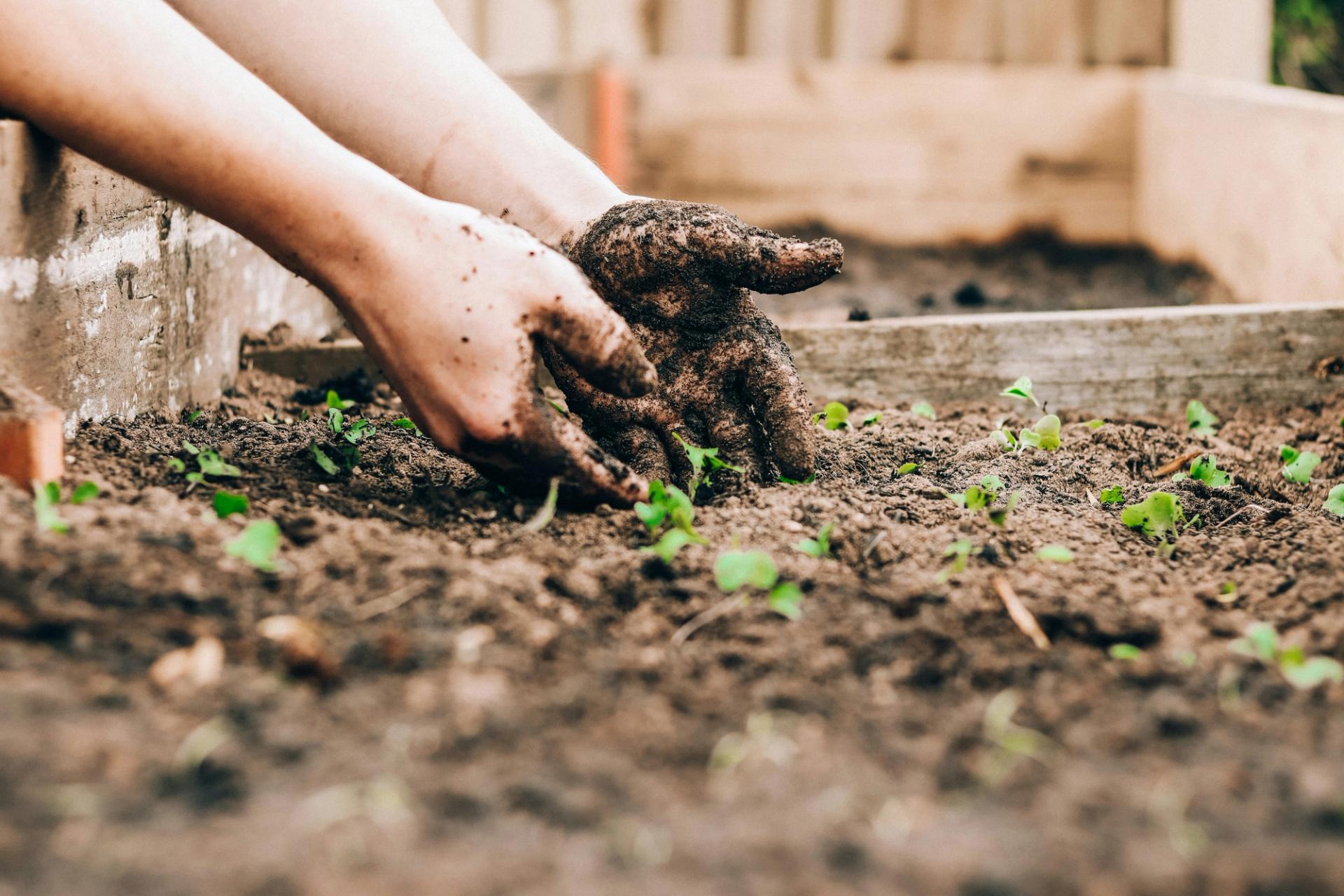
Lay down burlap or a generous layer of mulch on flower beds and around the base of trees and other plants to help keep their roots from freezing. If you have a south- or west-facing tree, it could be at risk for sunscald — that’s when the sun thaws the trunk during the day, but then nighttime temps freeze it again, causing cracks and other serious damage. Wrap your tree to keep it safe and warm.
Don’t Stop Mowing
Leaving your grass too long over the winter can also cause damage. Experts recommend mowing your lawn at regular mowing levels until the grass goes dormant (or stops growing) for the season, usually in late November.
Stick to the Sidewalk
Walking too frequently on dormant grass can cause damage that will prevent those trodden areas from greening up in the spring and could promote snow mold. Also be extremely careful to avoid getting melting salts and other snow-melting agents on your lawn — they can cause serious damage.