As we head into December, you may notice an uptick in wildlife run-ins as wintery weather drives ungulates out of the snow and onto the roads. In fact, just last month more than 100 pronghorns were fatally struck by cars in Colorado’s Eastern Plains following an especially gnarly snowstorm. Data shows that animal-vehicle collisions peak in November and December. So here are some tips for sharing the roads safely with wildlife this time of year.
Use Extra Caution in Extreme Weather
The presence of ice and snow alone warrants slower speeds and extra vigilance (especially on stretches that are dark and winding), but cold weather could mean more wildlife herds on the roads. If the road is slick, it may be harder for you to stop your vehicle and/or for the animals to run to safety.
Are You in a Wildlife Crossing Area?
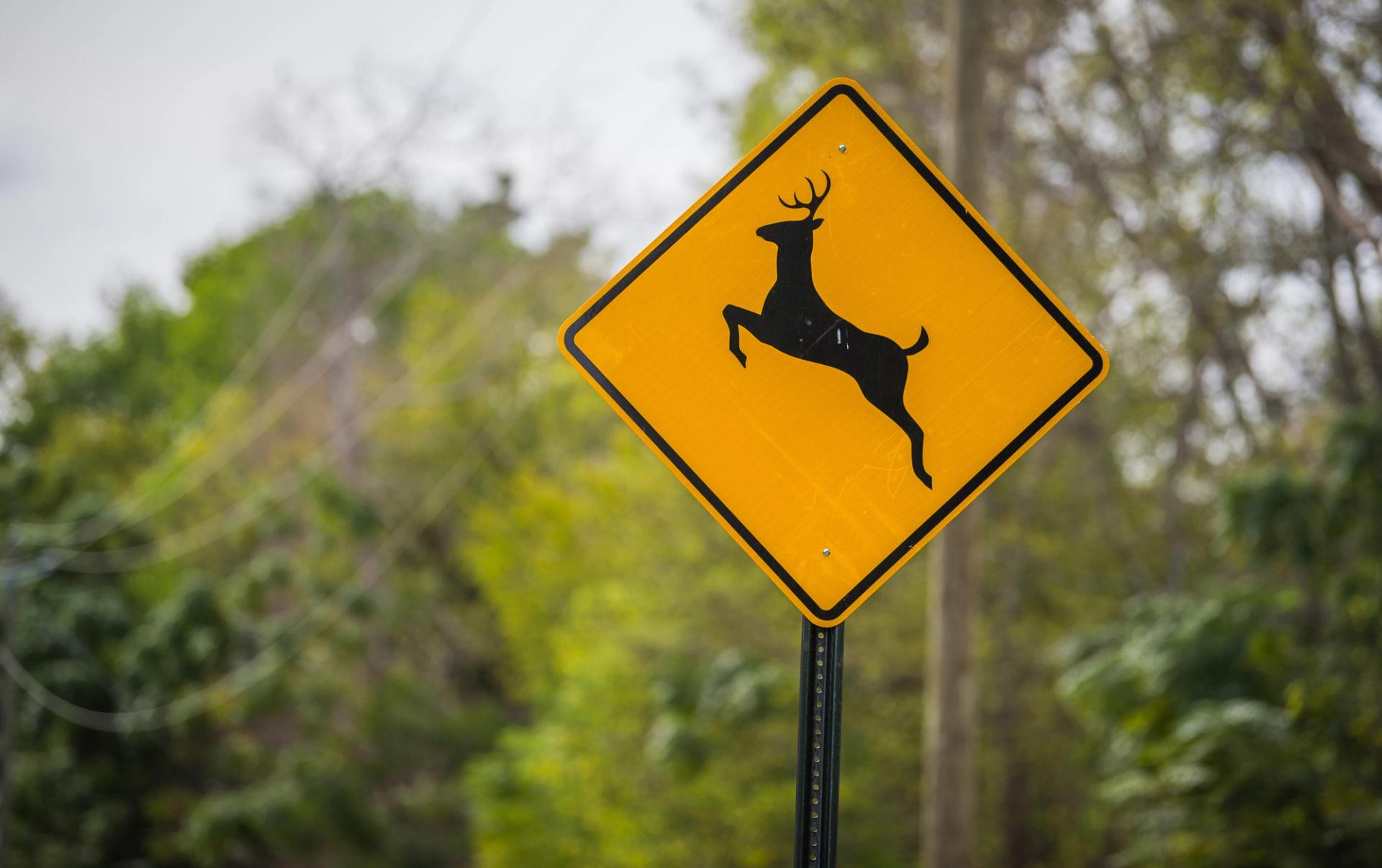
Pay attention to your surroundings. Stick to the speed limit and keep an eye out for wildlife crossing signs. If it’s dark (and there aren’t other cars around), drive with your brights on to improve visibility. Deer tend to be more active between dusk and dawn, when it can be harder to see.
Alert the Animal and Other Drivers
Assuming you can come to a safe stop to avoid hitting an animal in the road, try honking your horn and flashing your brights to scare the animal away. If time allows, tap your brakes to help alert anyone driving behind you. Since deer and elk travel in herds, wait a moment to make sure there aren’t more animals preparing to cross the road.
Worst Case: Brace for Impact
Colorado State Patrol is reminding drivers that sometimes hitting the animal is the safest option. If you’re caught off guard by an animal in the middle of the road, you’ll need to assess the situation quickly — if there are cars behind you or you don’t have enough time to safely come to a stop, "driving through” the animal is the safest bet. Don’t speed up — slow down as safely as possible to minimize impact. Swerving out of your lane or slamming on your brakes could cause a much more violent accident than hitting the animal.
If You’re in a Collision
In the event you have to hit an animal, do your best to maintain control of the vehicle. Pull over as soon as you can safely do so with your hazard lights on. Check that everyone in the car is OK. Report the incident to Colorado State Patrol and Colorado Parks and Wildlife, especially if the animal is still in the roadway. It’s a good idea to take photos of the scene of the accident and damage to your car for an insurance claim, but exercise caution when exiting your vehicle.