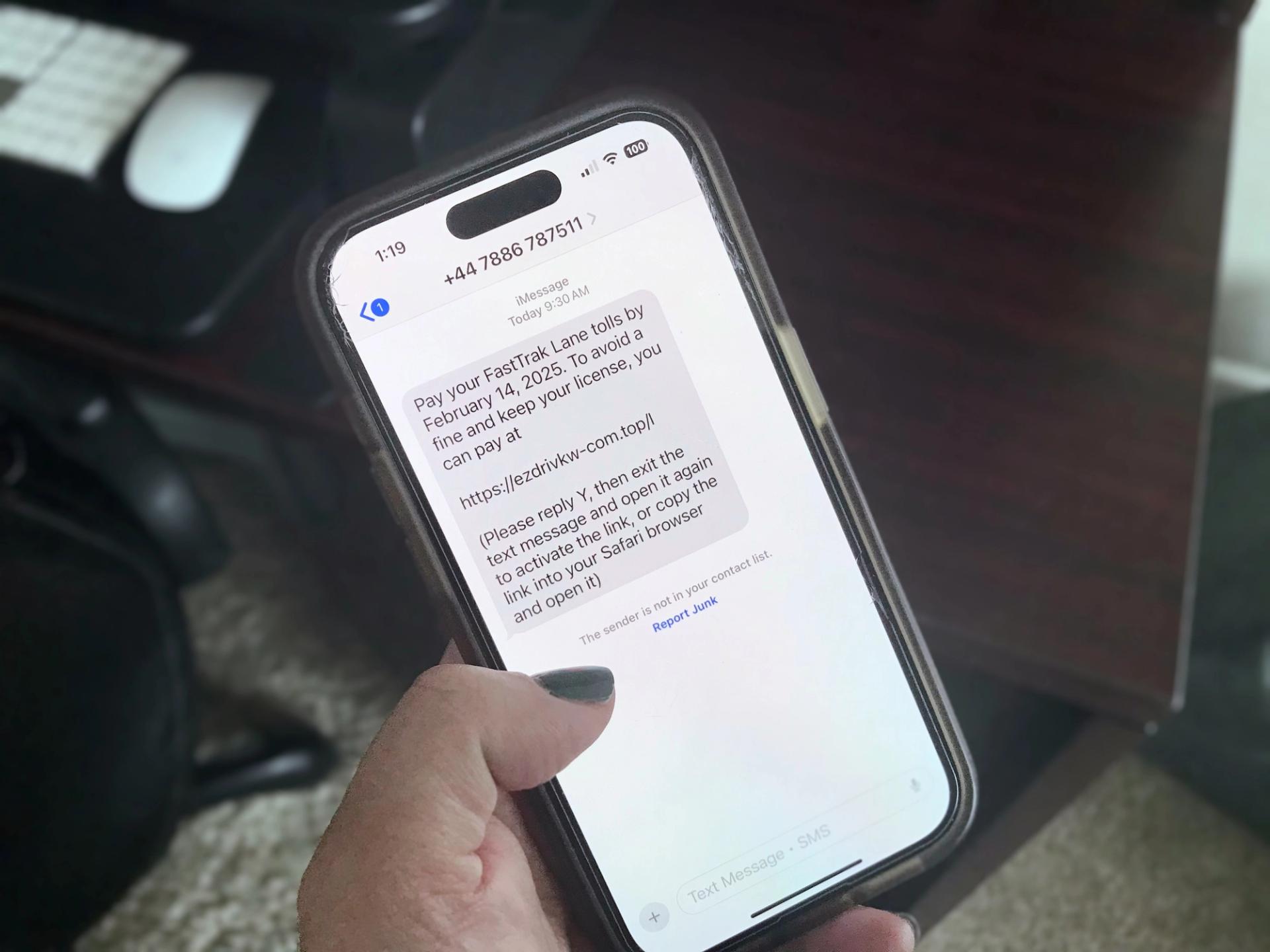
Last month, city officials warned residents of a remarkably convincing text scam making the rounds that appeared to be from the city regarding an unpaid parking invoice — it featured the city’s official logo and a link to a webpage nearly identical to the city’s real site.
In December, scammers were contacting owners of lost pets pretending to be the Denver Animal Shelter. And last fall, dozens of Denverites reported concerning phone calls purportedly from the Sheriff’s Department in which the caller — complete with an official sounding badge number — demanded payments over alleged warrants.
With today’s technology, it’s starting to feel near impossible to know who or what you can trust. So we’ve rounded up some tips and tricks from local officials and experts on how to spot a scam.
Know The Tricks and Tactics
The Colorado Bureau of Investigation offers a list of common scammer tactics to be aware of — and how to spot them — including masking their phone numbers, creating convincing websites and email addresses, and playing on your emotions.
Is It Really the City?
- Communication from the city of Denver will always come from denvergov.org.
- If you’re unsure about the authenticity of an email or text message claiming to be from the city, call 311 to confirm.
Stay Aware of Current Scams
- The Denver District Attorney’s Office issues local scam alerts and periodic resource reminders to residents via email. You can sign up to be on that emailing list here.
- The CBI keeps a running list of common types of scams, like online shopping scams, romance scams, and impersonations of government officials.
- Stop Fraud Colorado is another local resource that can help you stay up to date on the latest scams and fraud schemes making the rounds.
Report Fraud Attempts Right Away
Experienced a scam recently? Report it to the Colorado Attorney General online here. You can also report fraud attempts to the Federal Trade Commission.
General Tips for Spotting a Scam
- Double check all email addresses, phone numbers, and web URLs for red flags — like poor grammar, incorrect spelling, or misused punctuation.
- Never click on links or attachments from a sender you don’t know.
- Be suspicious of requests for money or personal information and unsolicited offers.
- If a caller is claiming to be someone official — from the city, your utility provider, etc. — don’t be afraid to hang up and call back using the company’s official phone number.
- Resist pressure or a forced sense of urgency. Scammers will try to invoke panic to make you act quickly without thinking.
- Be wary of unusual payment requests, such as gift cards or digital currency. (Credit cards are typically the safest form of remote payment because fraudulent transactions can be disputed.)
- Never, ever share personal or financial information unless you’re 100% confident about the person or entity you’re communicating with.