
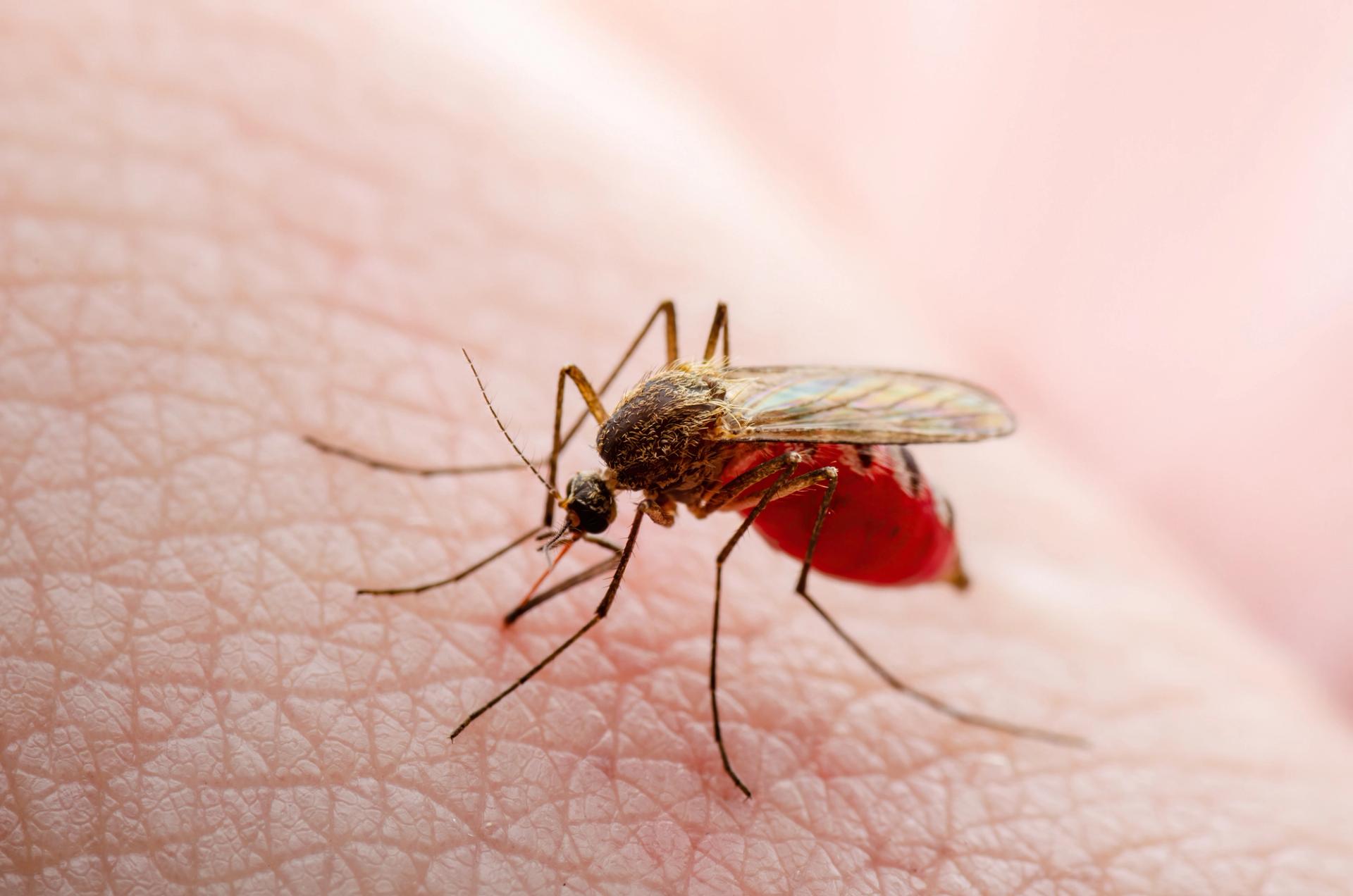
State officials have confirmed the first human infection of West Nile virus in 2024. The mosquito-borne illness arrived earlier than usual and followed a devastating season for Colorado which had the most West Nile deaths in the country last year. Here’s what you need to know about the virus:
How Does It Spread?
West Nile is a virus spread through mosquito bites. Most cases occur in August and September, the peak of mosquito season, which ends with the season’s first freeze. But infections can definitely still occur anywhere from May to October.
Who Is at Risk?
While anyone can catch the virus, people over the age of 50 or those with weakened immune systems are at the greatest risk.
What Are the Symptoms?
According to the Centers for Disease Control and Prevention, most people infected do not ever develop symptoms, but those who do might experience fever, fatigue, headaches, and body aches.
How Can You Protect Yourself?
There is no West Nile cure or vaccine, so experts say to follow these four D’s:
- Drain your property of standing water (kiddie pools, planters, buckets, birdbaths, wheelbarrows, etc.) where mosquitoes tend to gather and breed
- Use DEET-based insect repellents
- Avoid being outside at dawn and dusk
- When you are outdoors, dress in long-sleeved shirts and pants