Thanks to good snowpack and other serendipitous climate conditions, the state’s fire control division is predicting a “normal” year for wildfires. However, that’s still a staggering 5,500 fires burning about 220,000 acres in just one year 😵💫 So what can be done to help with mitigation? Learn from the beavers.
New analyses from The Geological Society of America have shown that areas with beaver habitats fared far better after wildfires than areas without.
Fire-Proof Ponds
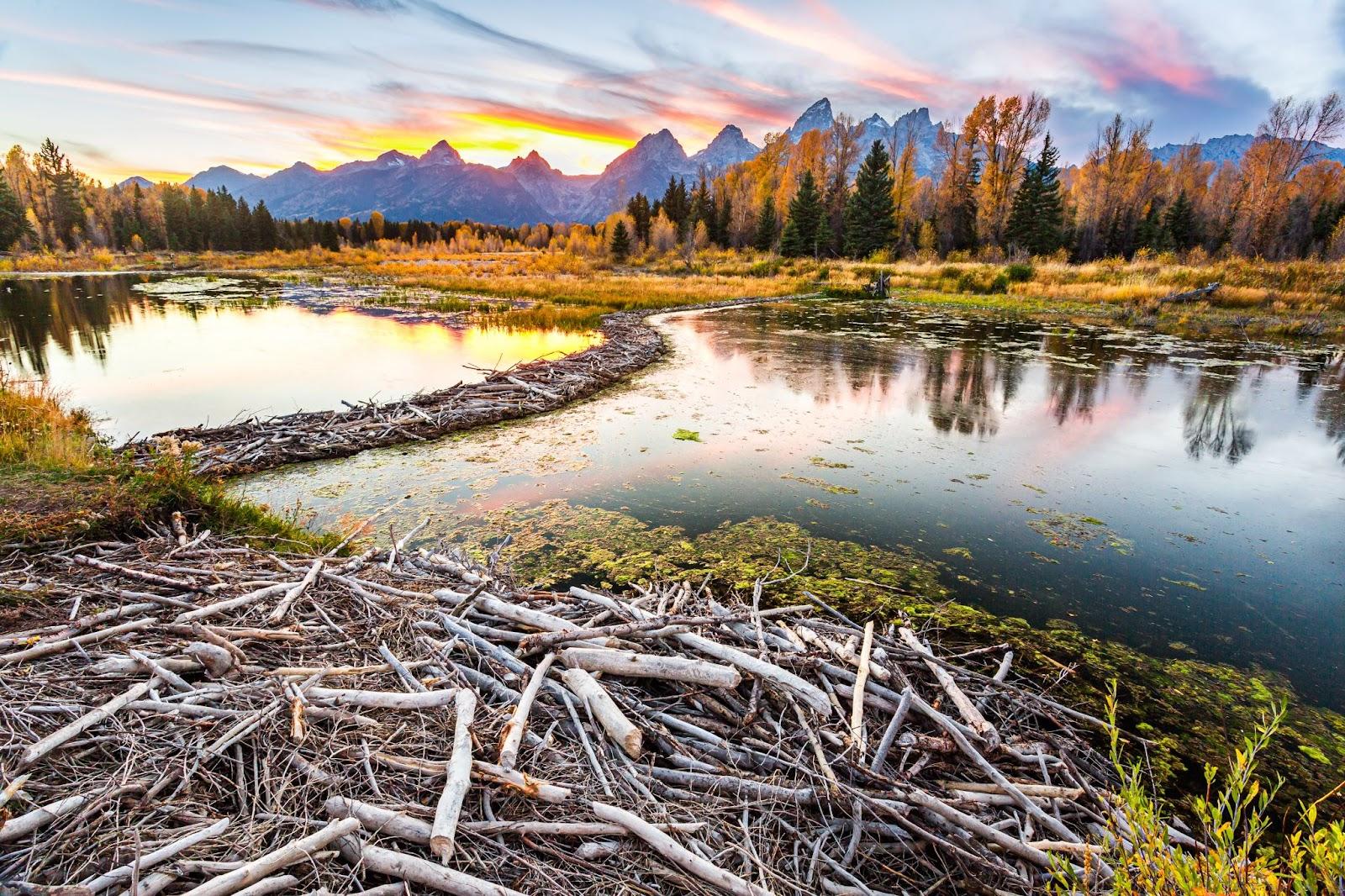
As Colorado Sun reporter Bay Stephens laid it out: “Beaver dams hold back water and beaver canals spread it out. The weight of the pond presses water into the ground and out over a broad swath of the valley floor, raising the water table and increasing soil moisture. The result: a verdant valley bottom that doesn’t burn.”
The unaffected beaver pond serves as a place where wildlife can shelter from an active fire, as well as find food and water in the aftermath. This little pocket of fire-resistant wetland can also slow down a growing wildfire.
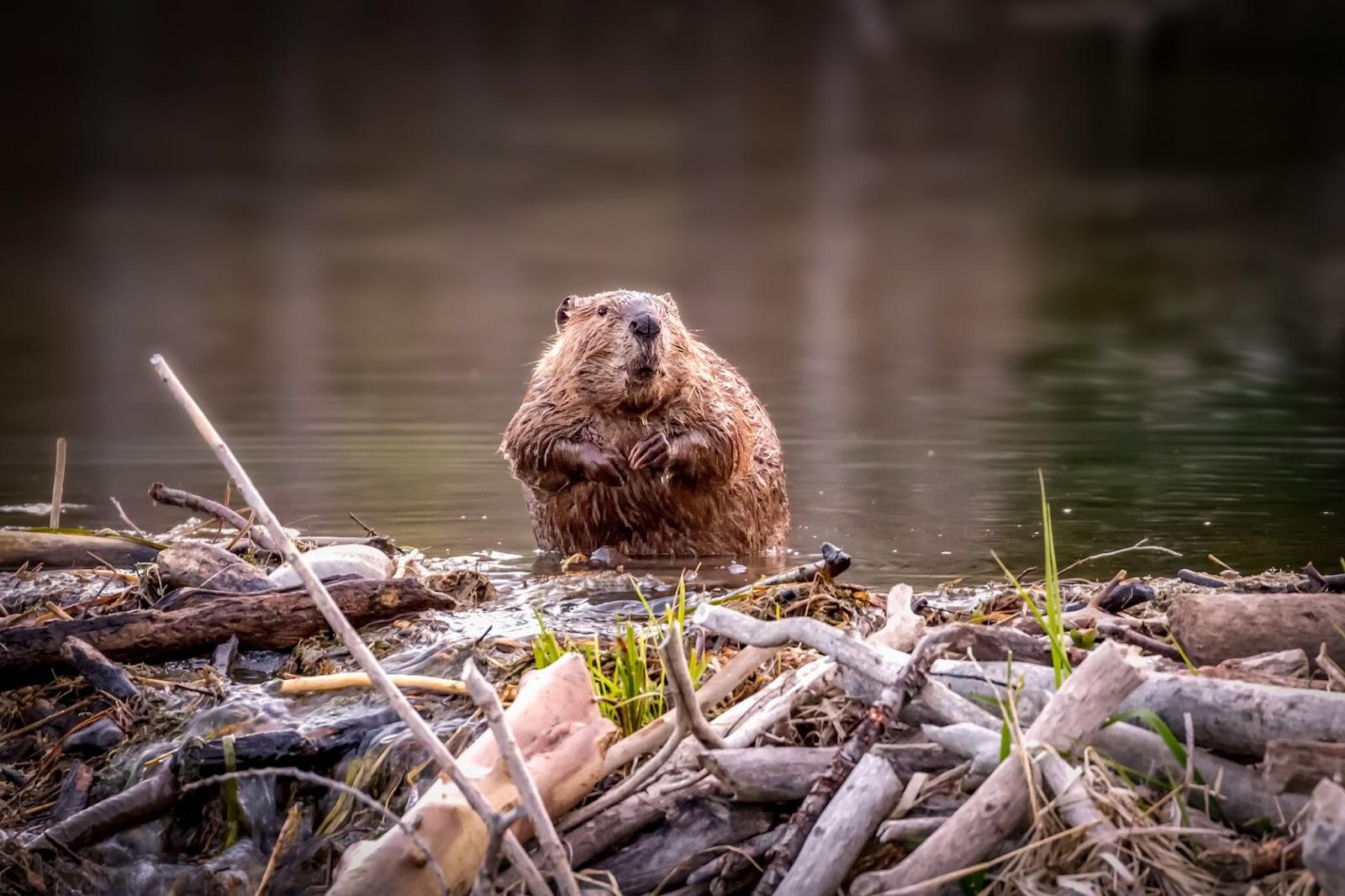
A beaver doing its beaver thing. (Troy Harrison / Getty Images)
Restoration
Not only do beavers aid in preventing wildfires and protecting the ecosystem around them, they help restore and protect the affected areas, too. Beaver dams help prevent the build-up of destructive ash-laced flood waters that destroy aquatic ecosystems and contaminate local drinking water.
Save the Beavers
The Colorado Sun reports North America is home to only 10% of its pre-settlement beaver population, and has since lost 90% of its historical wetlands. Though beavers are not entirely faultless — they are notorious for plugging irrigation ditches and flooding properties — wildlife experts believe coexisting harmoniously with the critters could mean a greener future for us all.