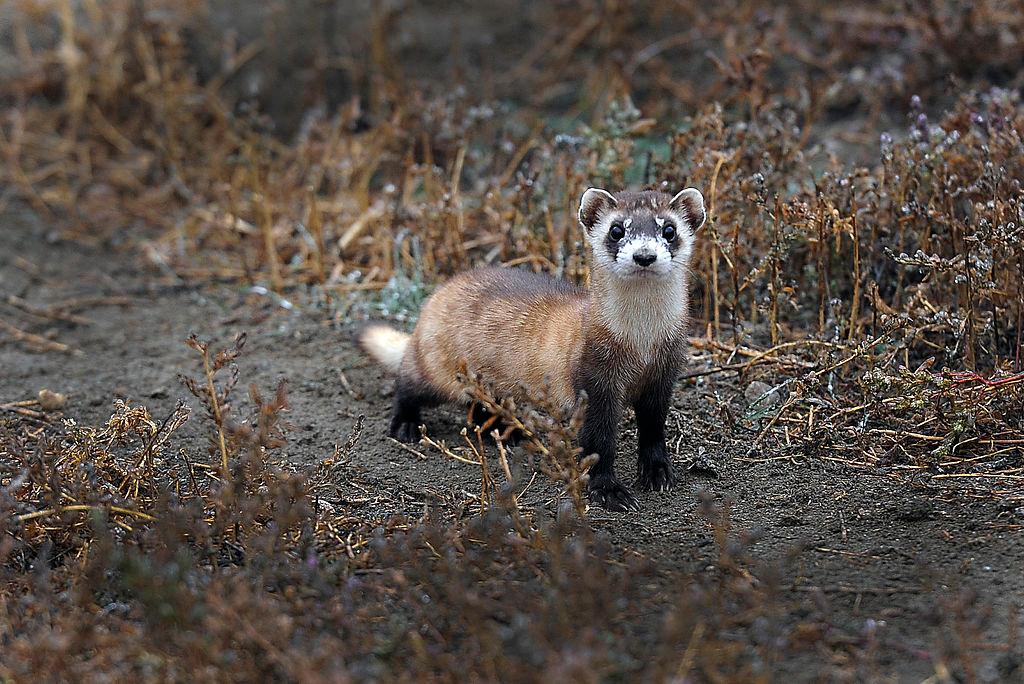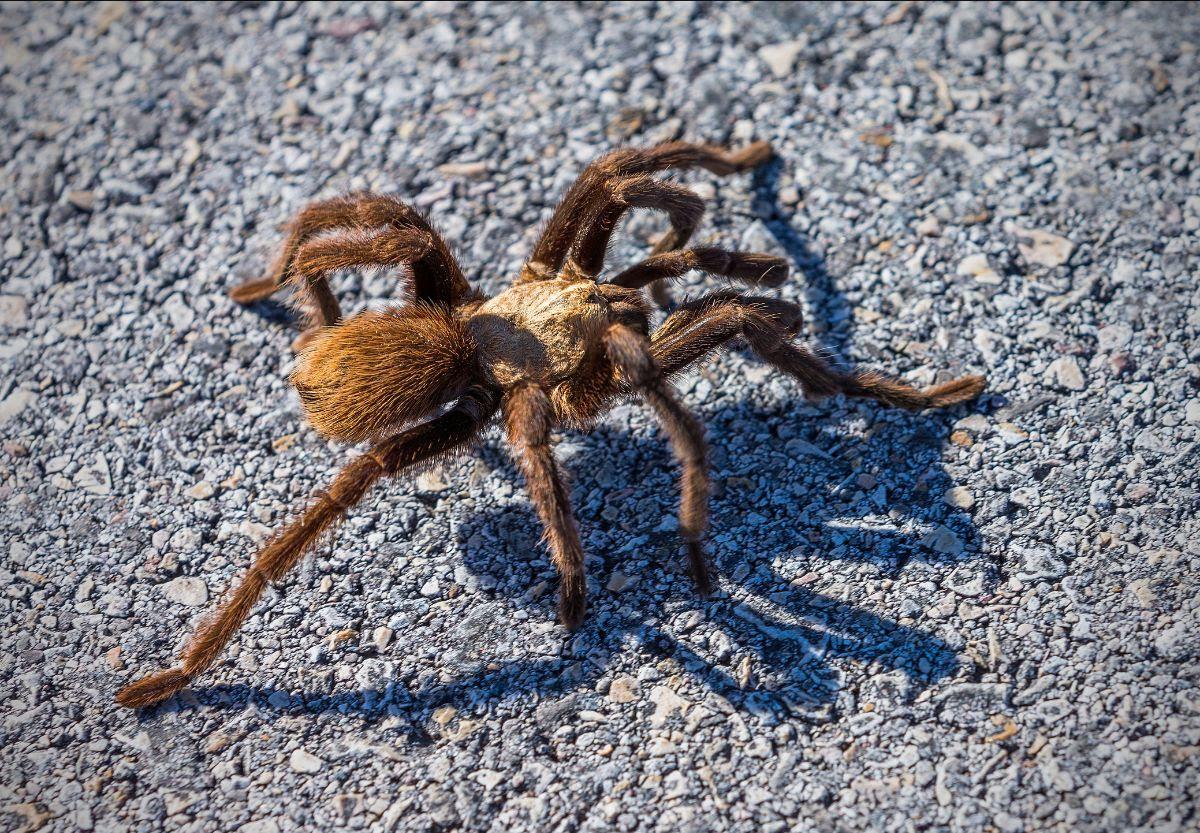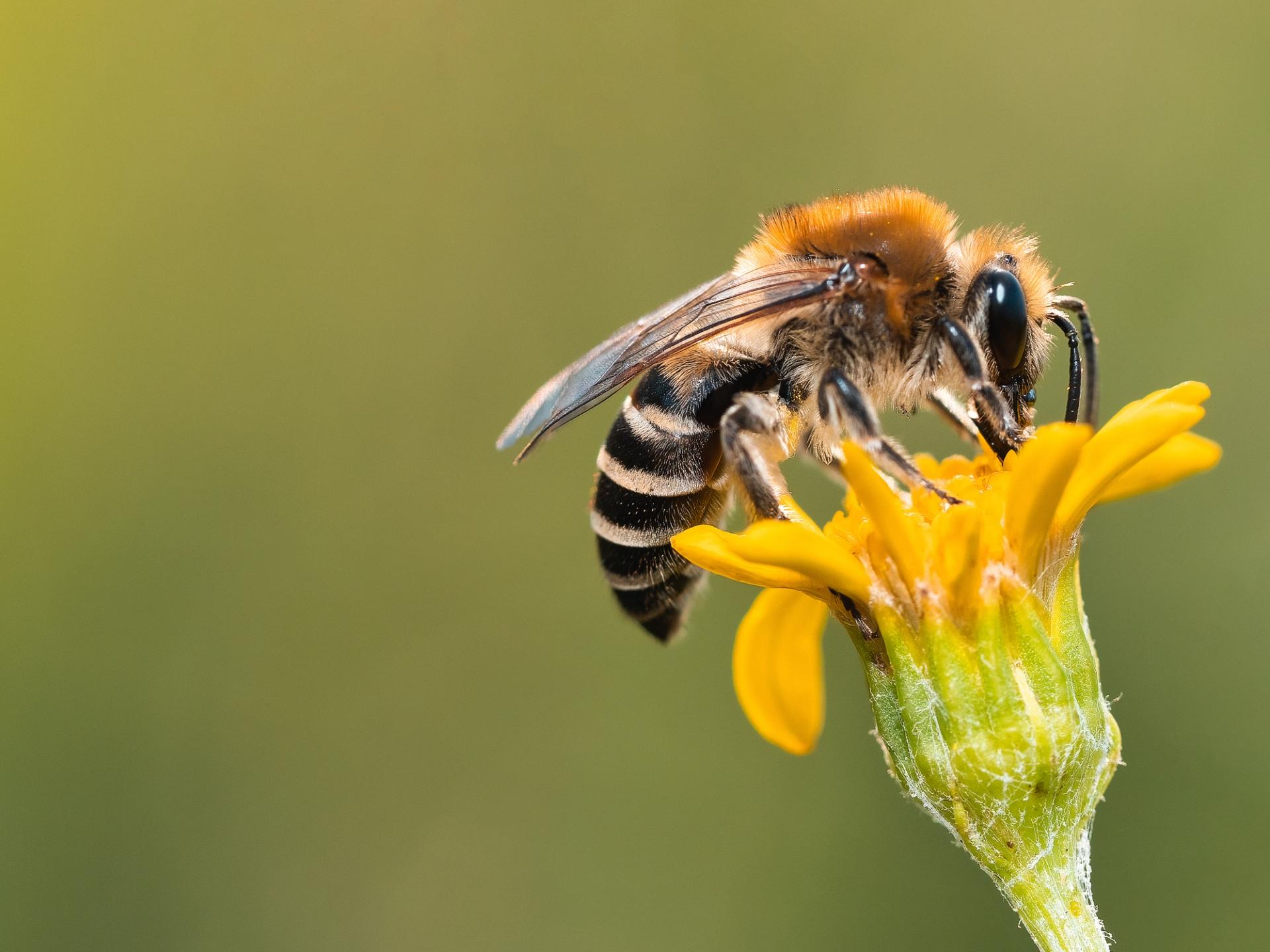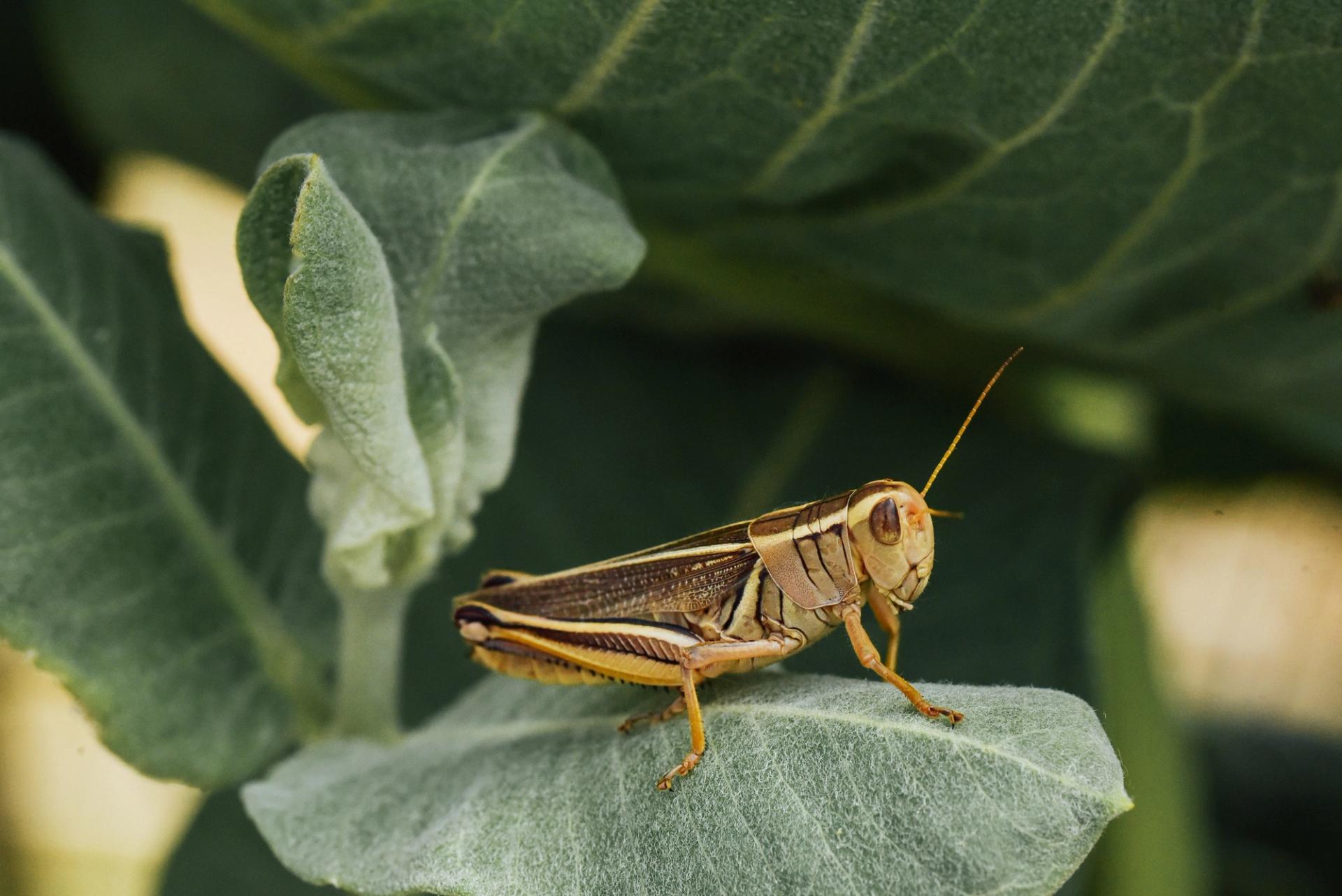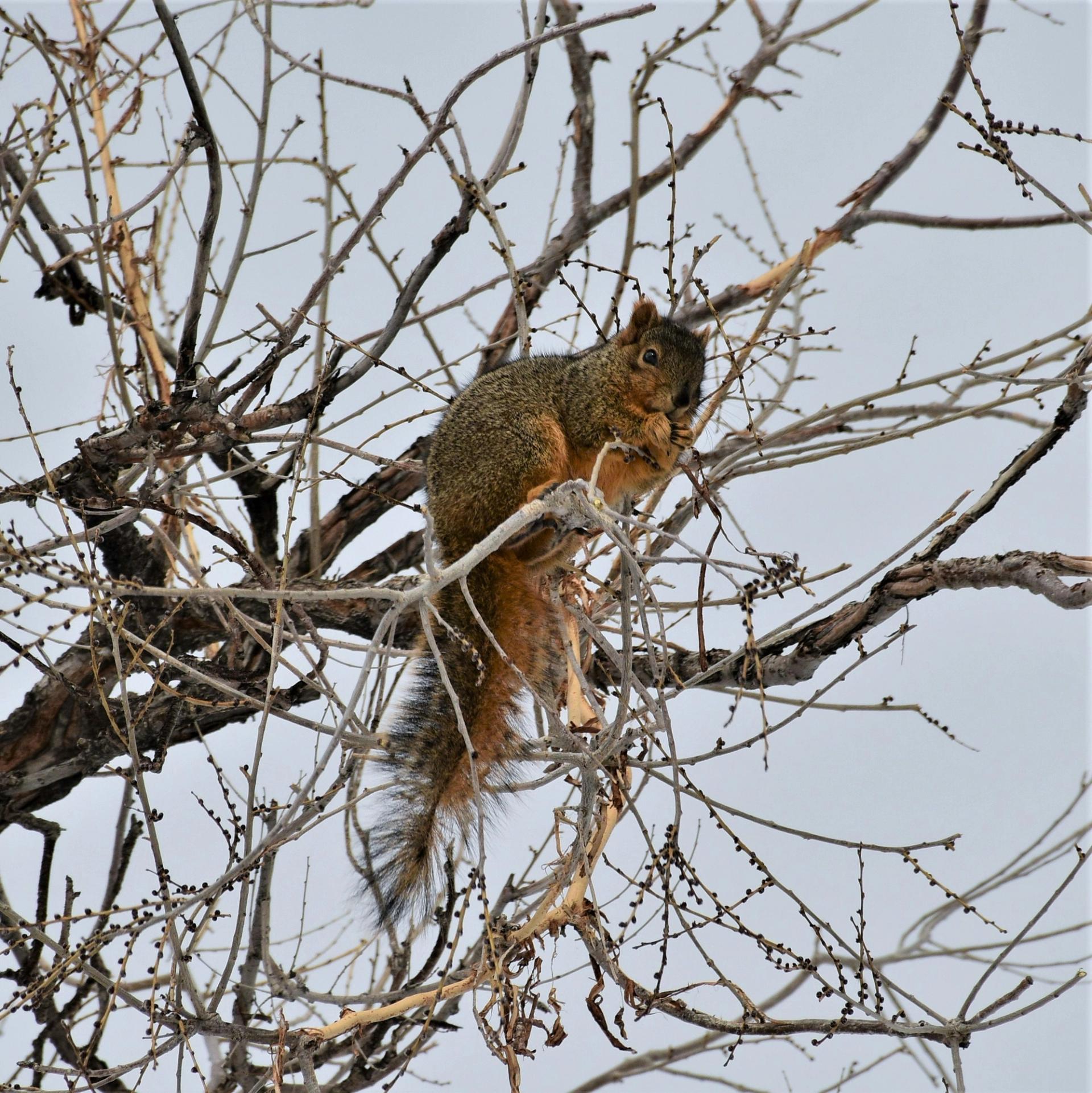
Have you ever wondered what species the bird in your yard is or whether a mushroom on your local trail is toxic? This weekend, you can get the answers to those questions and participate in a community science project called the City Nature Challenge, all by simply sharing photos of the wild animals, plants, and fungi you see around 📸🐿️🍄
What is the City Nature Challenge?
Started in 2016 as a competition between San Francisco and Los Angeles, the challenge is now a global event to track biodiversity data in cities across the world. From April 25-28, volunteers can submit photos of local flora and fauna to the app iNaturalist, where observations can be identified and tracked.
Last year, 400 people in the Denver and Boulder area recorded more than 4,500 observations of more than 1,000 species. This year’s goal is to get 600 people to make more than 6,000 observations.
To contribute to helping Denver scientists measure biodiversity, download iNaturalist and start snapping pictures!
How to Participate
Start by exploring your local park, backyard, neighborhood green space, or favorite trail, and take photos of the natural life that you see. Or if you’d prefer to participate with a group, check out one of the organized City Nature Challenge events around the metro area!
Once you submit a photo in the app, it will suggest possible identifications — or you can label it with what you know about it, whether that’s as specific as “a Columbine” or as general as “flower.” After the photo is shared, other people on the app can help identify the species or confirm a suggested ID.
Photos taken in iNaturalist or uploaded with location data will automatically be submitted to the Denver-Boulder challenge data, but here are some tips on how to optimize your observations!
- Zoom in: Try to get as close as possible to whatever animal or plant you’re photographing and make sure the images are in focus. (But be sure to stay safe and give animals space!)
- One species at a time: Focus on one species in each photo to help make identification easier.
- Add more than one photo: If possible, get multiple photos and at various angles, so that identifying features can be spotted.
Results
Following the observation phase there will be the identification phase, which runs from April 29 to May 4, where scientists will try to identify as many species in the submitted photos as they can. The results will be announced online on May 5!