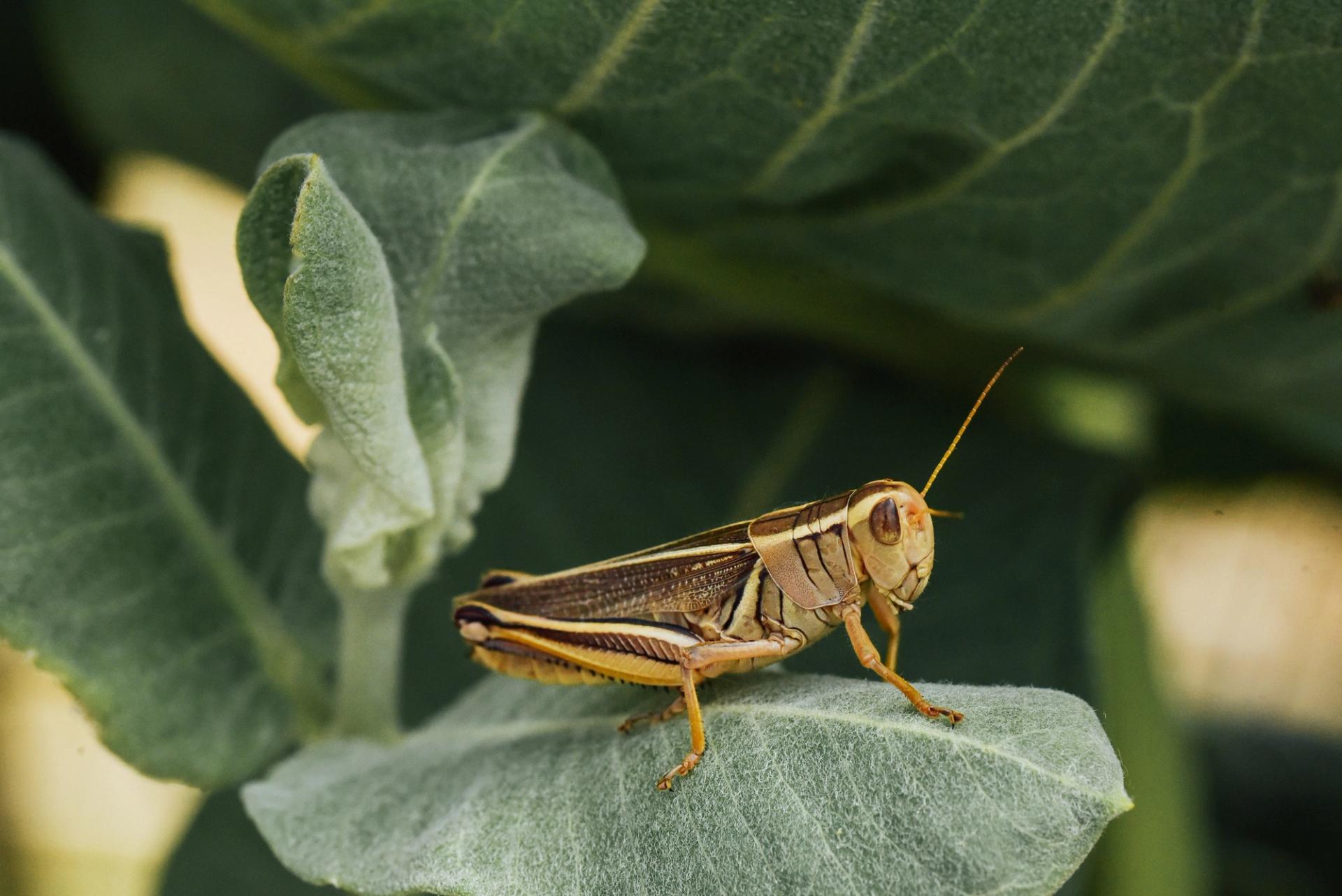
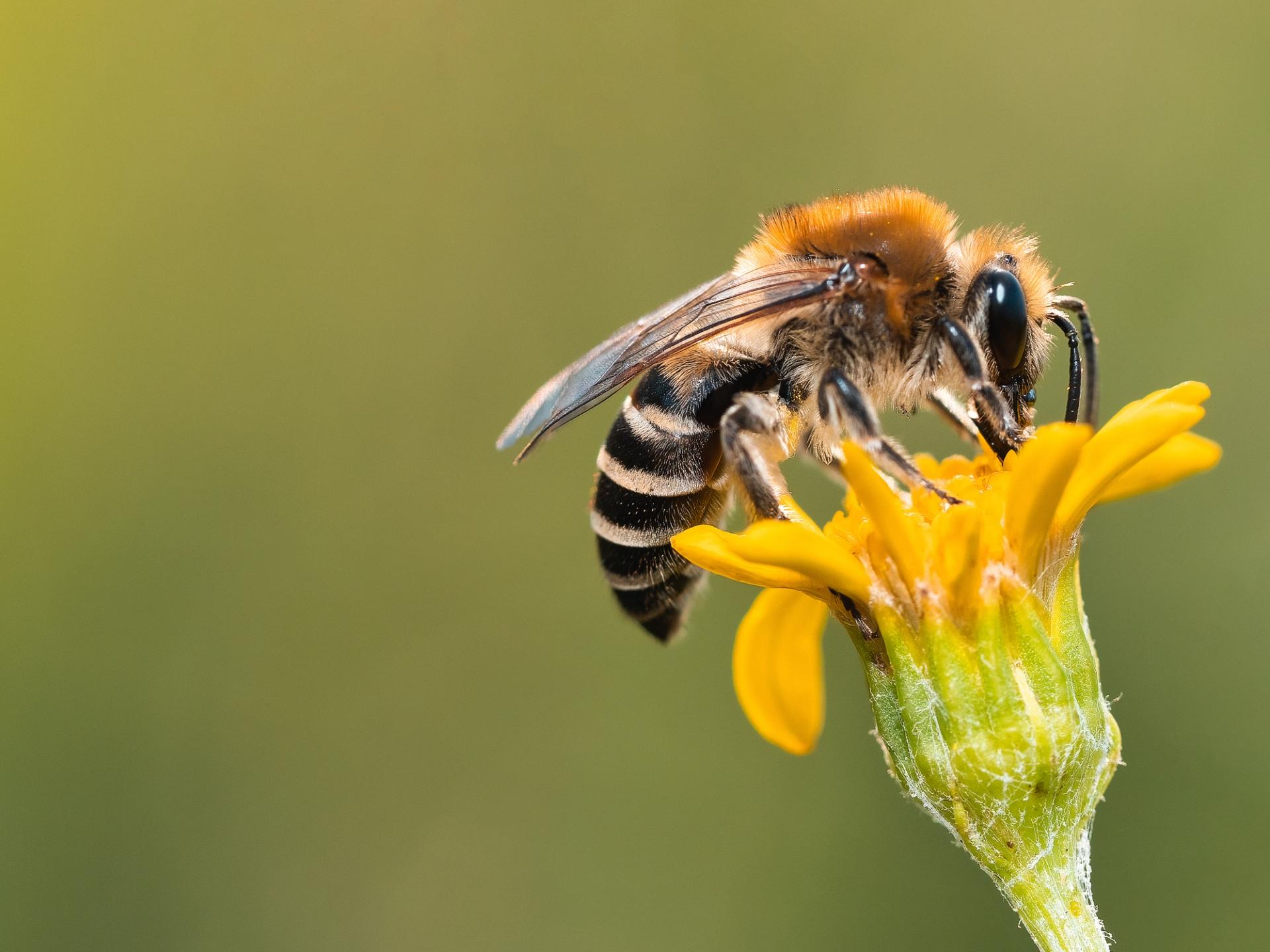
Bees, butterflies, and other critical pollinating insects just got a major upgrade — the tiny-but-might invertebrates are now officially classified as wildlife thanks to a new state law. Here’s what that means:
Why Classification Matters
The wildlife title means that Colorado Parks and Wildlife now has some authority over the management of pollinating insects. Before, Colorado was one of nine states that couldn’t effectively study or protect bees, butterflies, and the like if they weren’t recognized under the federal US Endangered Species Act. Now that they’re technically wildlife, CPW officials can direct its resources to pollinator conservation efforts, including:
- Restore pollinator habitats
- Mitigate environmental threats to pollinators and their habitats
- Monitor and support pollinator health
The Bigger Picture
In 2022, state lawmakers ordered a comprehensive study of Colorado’s native pollinating insects. The results, which were released earlier this year, confirmed suspicions that the state’s pollinator populations have dropped steeply in recent decades (mostly due to climate change). In addition to sustaining Colorado’s natural landscapes and local ecosystems, the economic value of pollinators for our state’s agricultural industry is estimated to be worth billions of dollars annually.
How You Can Help
The new designation allows experts and officials to do some heavy conservation lifting, but even a little help goes a long way. Here are a few ways you can support the effort right from your backyard:
- Plant pollinator-friendly plants, including native plants and grasses and nectar- and pollen-rich flowers. (Garden-In-A-Box has curated starter plants designed to attract pollinators 🐝)
- Leave logs, stumps, and tall grasses as pollinator nesting opportunities
- Reduce or eliminate pesticide use
- Support and contribute to local beekeepers and pollinator conservation organizations, like the Butterfly Pavilion
- Find more info and examples from Denver Urban Gardens