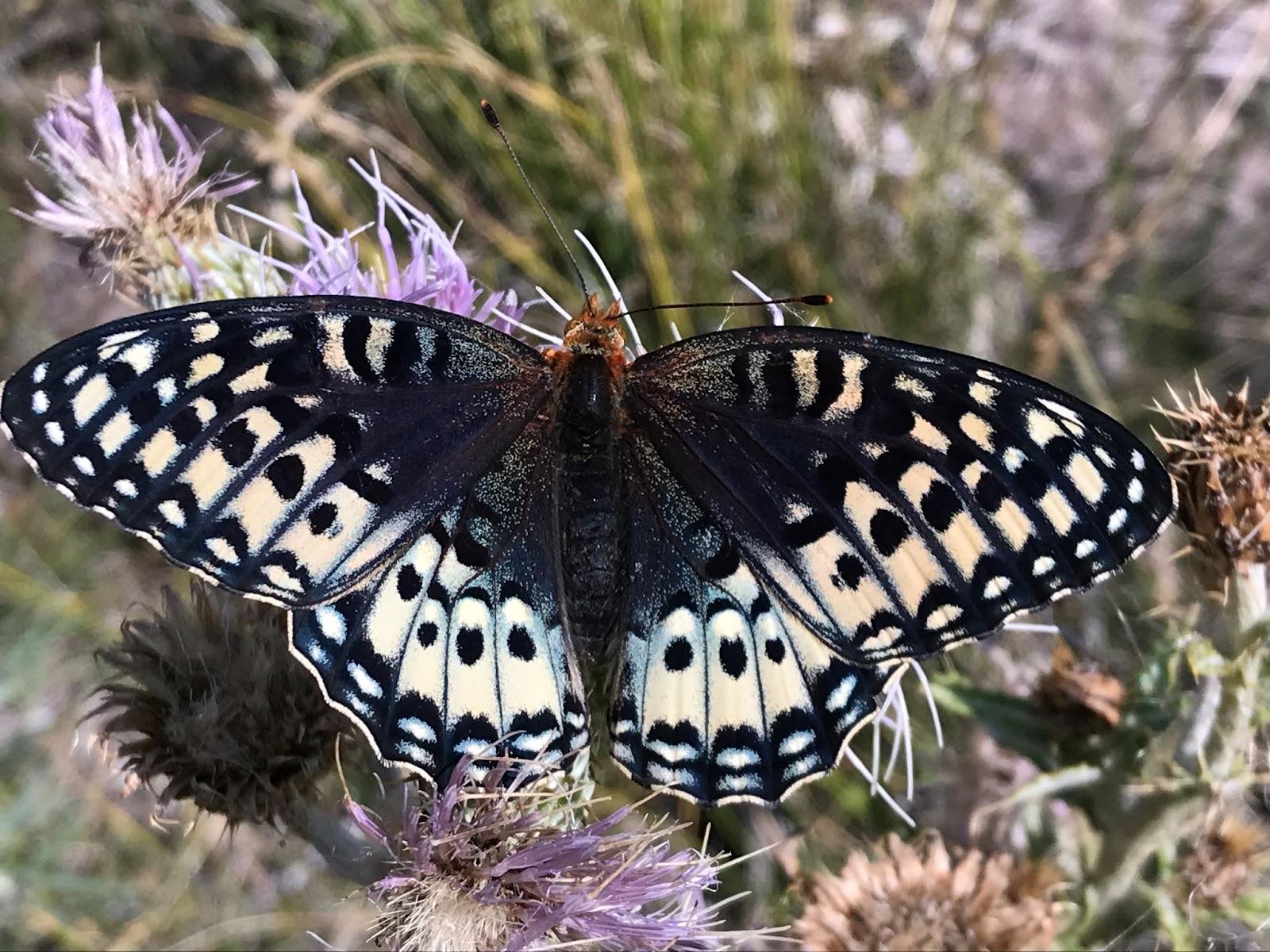
A Colorado butterfly is in danger of extinction.
Last month, the U.S. Fish and Wildlife Service declared a Colorado-native subspecies of silverspot butterfly (Speyeria nokomis nokomis) “threatened” under the federal Endangered Species Act — only one spot short of full-blown endangered. The population is at risk largely due to climate change and development-driven habitat loss. But wildlife advocates are hopeful that the new status declaration will help spur change in the way Colorado views plants and invertebrates.
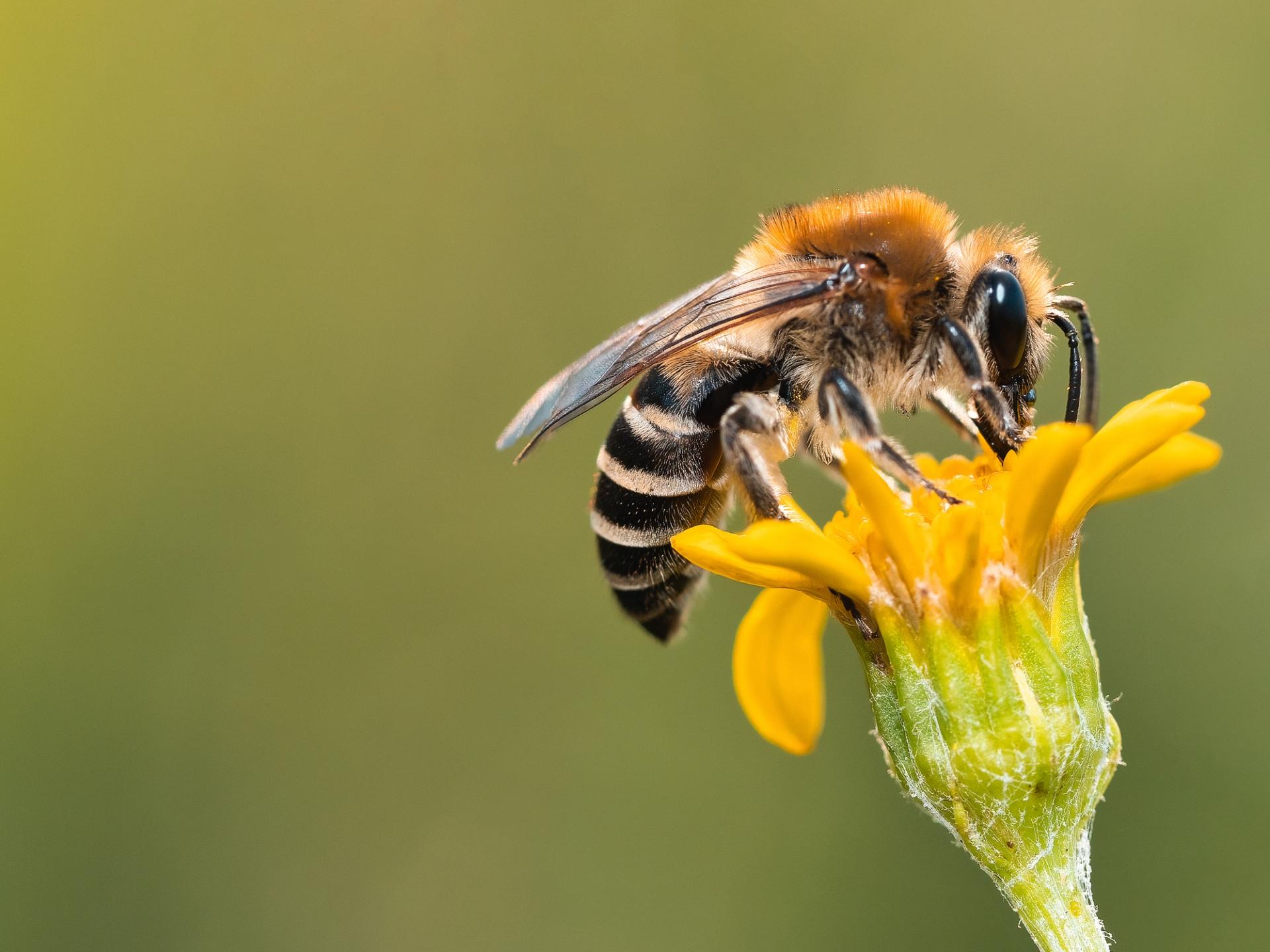
Colorado is one of only a few states that doesn’t consider plants or invertebrates (insects) as wildlife that is eligible for protection. However, a new bill currently being considered by state lawmakers could be the first step toward changing that. House Bill 1117 would grant Colorado Parks and Wildlife more authority to study invertebrates and begin conservation programs for them. (It would not, however, give the agency regulatory authority to monitor or manage populations.)
WildEarth Guardians, a nonprofit environmental organization, pushed for the endangered designation of the silverspot butterfly 11 years ago, and while they didn’t quite get all the protections they were hoping for, the group believes HB1117 is a step in the right direction.
It’s really just adding a very important tool to make sure that they [CPW] have the ability to conduct investigations and surveys … to identify what conservation or management measures might be needed.
Sen. Karen McCormick, bill co-sponsor and Democrat from Longmont
Silverspot butterflies can be identified by the distinctive silver-white spots on the underside of their wings. They thrive in open, wet meadows at high elevations. They can be found in southwestern Colorado as well as in Utah and New Mexico.