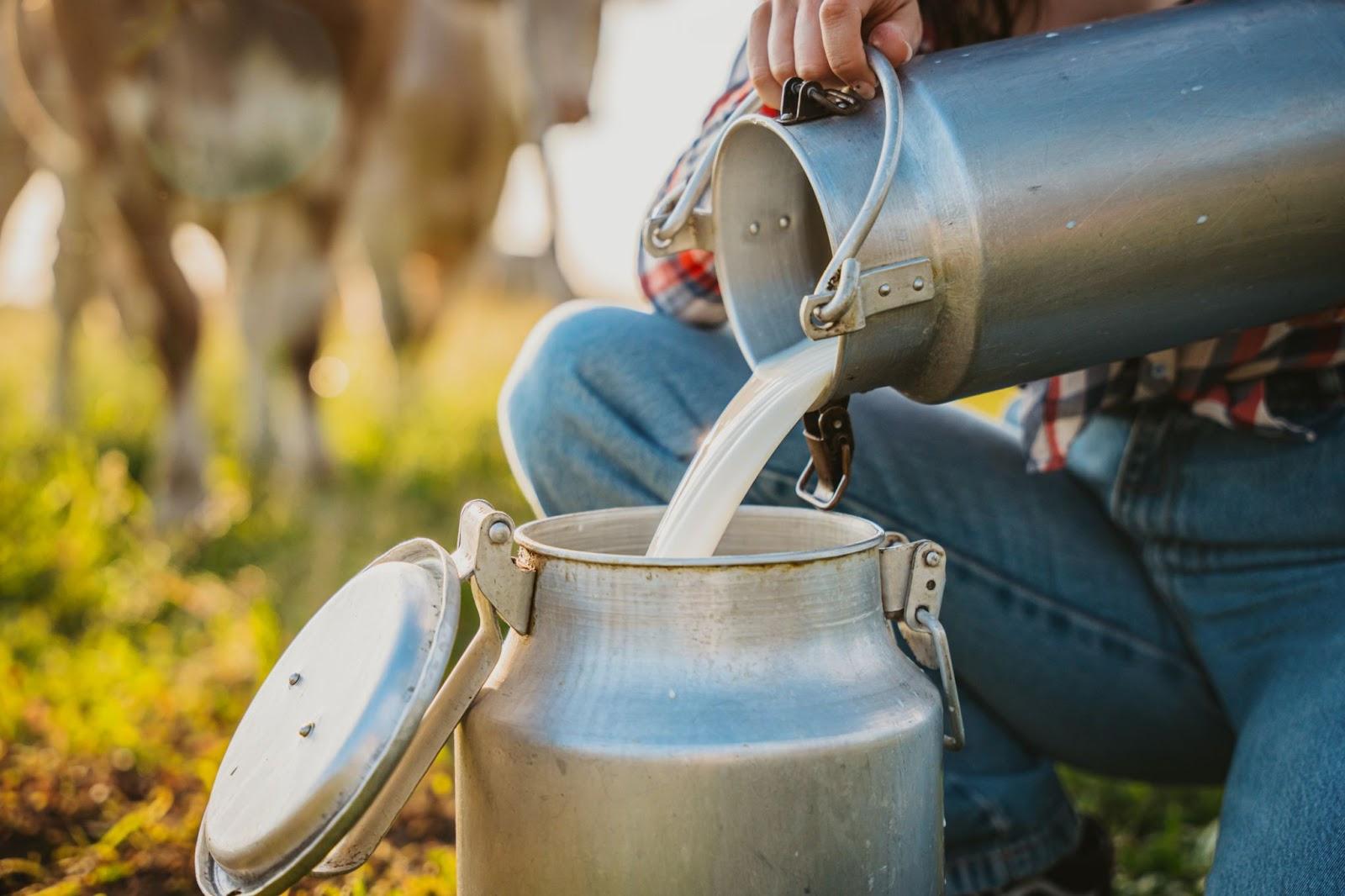
Colorado lawmakers are considering a new piece of legislation known as the “Food Freedom” bill that would allow Coloradans to buy raw milk directly from farmers. If you’re thinking, “Wait, what’s raw milk and why is it illegal?” Here’s what you need to know.
What Is ‘Raw Milk’?
Milk that you buy from the grocery store has been sterilized or pasteurized. After it’s been collected from the animal, it’s heated to kill bacteria before being cooled and then sold to consumers. Raw milk doesn’t go through this process — it’s cow-to-consumer, so to speak.
Why Is It Prohibited?
The U.S. Food and Drug Administration banned the sale of unpasteurized milk in 1987 to protect people from the potential of contact with harmful pathogens like E. coli, salmonella, and campylobacter. Colorado in particular has some of the strictest raw milk regulations in the West — most of the farming states surrounding us allow regulated raw milk sales. Here, only herd owners can legally obtain raw milk. (Though as a workaround, some farmers permit people to buy a share in their herd, thus making them part owners.)
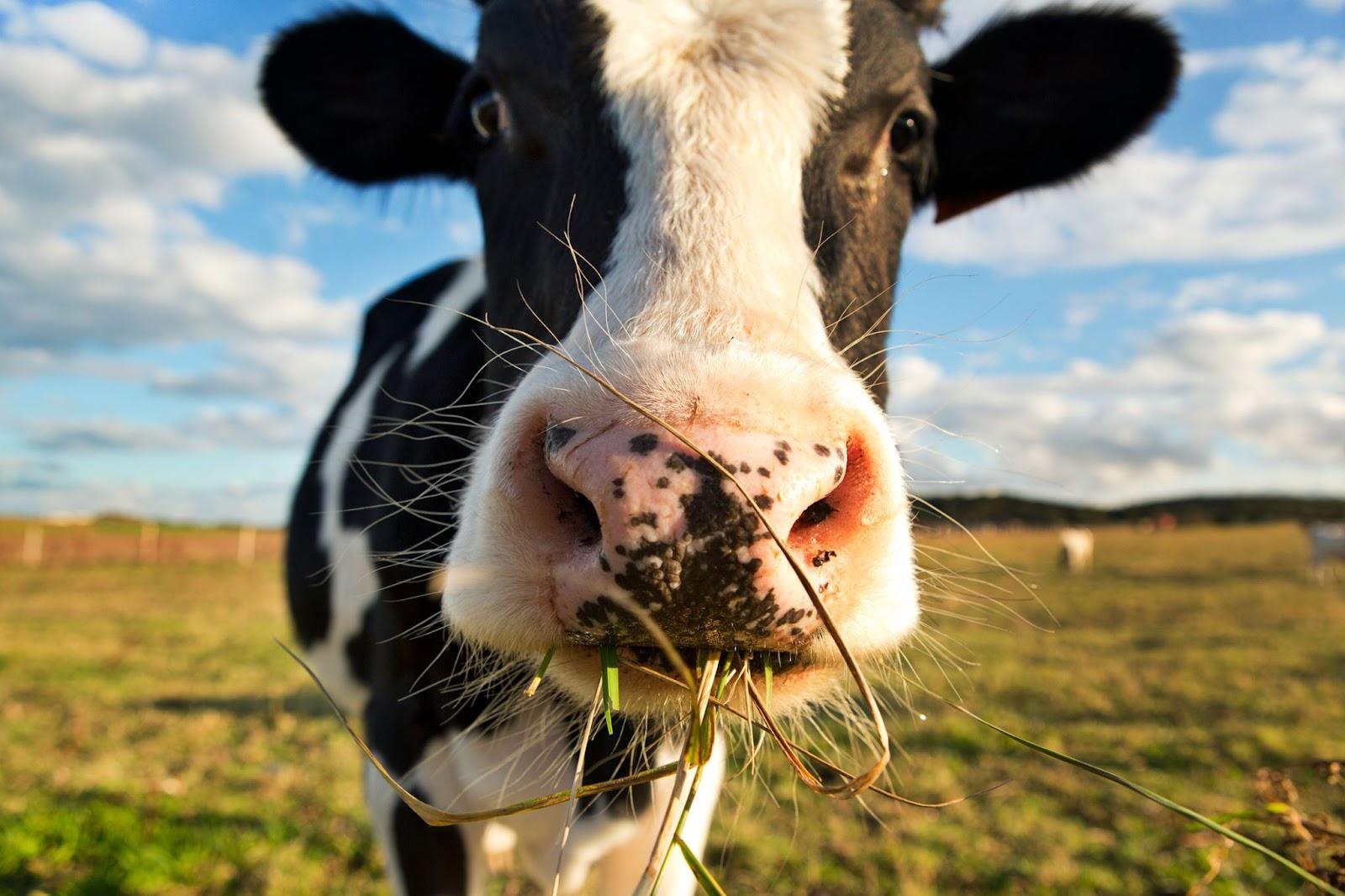
There’s a growing demand for milk that goes straight from cow to consumer. (Tony C French / Getty Images)
Why Does It Matter?
Proponents of raw milk cite health benefits, like improved digestion and valuable vitamins and minerals. (It’s worth noting, however, the FDA maintains that there are no health benefits to raw milk and that it’s unsafe to drink.) But primarily, supporters of the “Food Freedom” bill believe consumers should have the power to choose their own food without government interference. They also argue that it would help support local agriculture producers.
What Would Change?
If the “Food Freedom” bill passes, it would allow consumers to legally purchase raw milk from farmers without the herd-share arrangement. (Raw milk would still be banned from grocery stores, though.) Sellers would be required to register with the state and label every container of milk with a warning about potential health risks.