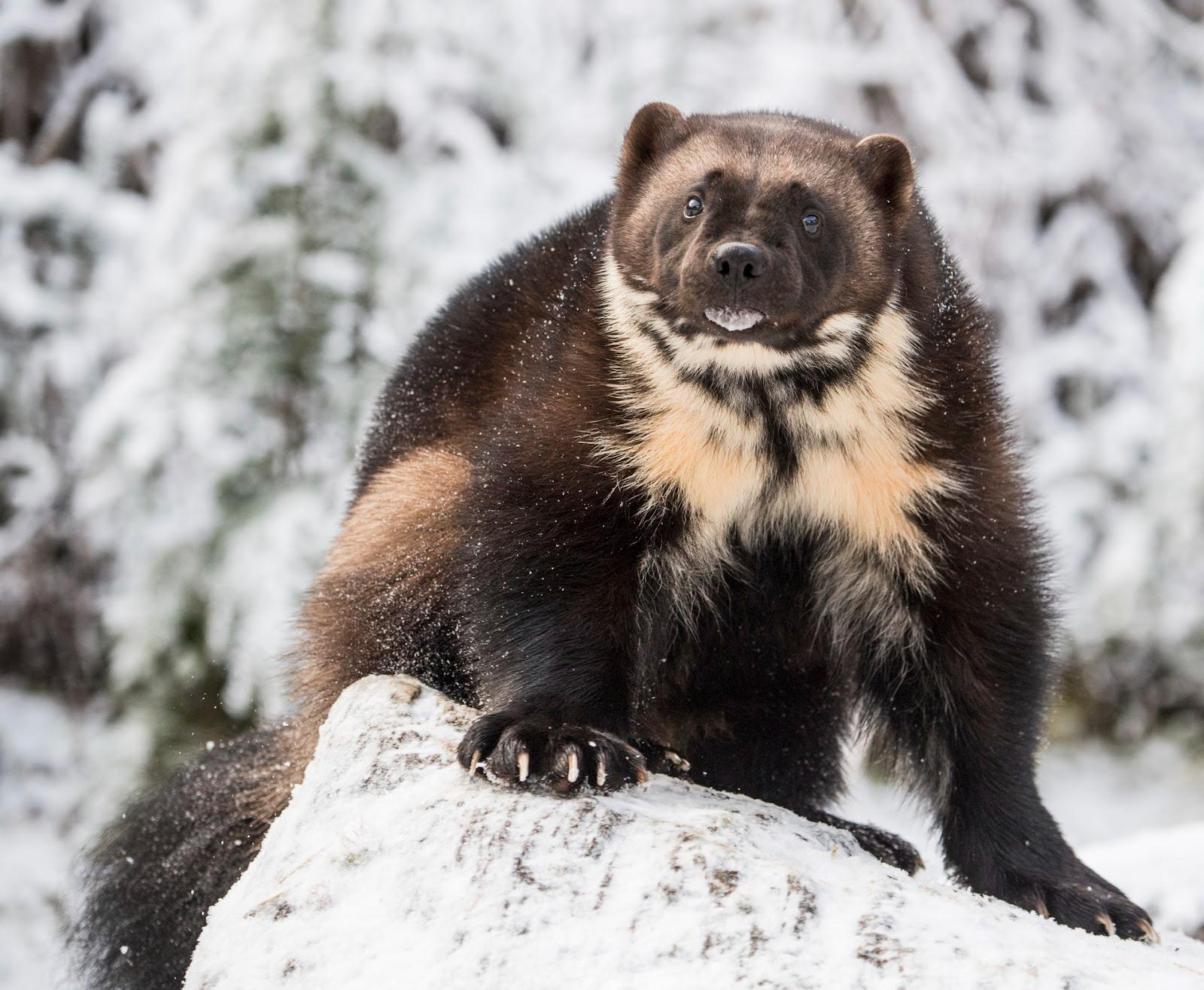
State lawmakers have overwhelmingly approved the reintroduction of wolverines to Colorado’s wilderness. The high country predators, though native to Colorado, were officially wiped out of the state by 1919 due to unregulated trapping and poisoning. Last year, the species was federally designated as “threatened.” If Gov. Polis signs off on the measure, a formal reintroduction plan will likely follow. But one thing the effort’s sponsors have made abundantly clear: It will not go as poorly as the highly controversial recent wolf reintroduction did. For starters:
- The plan will include funding to compensate ranchers in the case of lost livestock from the get-go (this was only added later by voters for the wolf reintroduction plan).
- There is no deadline for the reintroduction, giving wildlife officials ample time to meet and solicit feedback from impacted communities, something that was not the case for the wolf plan.
- The effort will start first with an experimental population to be managed by Colorado Parks and Wildlife — a plan that will need to be approved by the federal government.
Supporters of the bill also want to draw attention to one major caveat: Wolverines are weasels, not apex predators.
Brush Up on Your Wolverine Knowledge:
- Wolverines are known for being able to face down predators twice their size!
- They are primarily carrion scavengers, feeding on already dead animals, but will kill rabbits, rodents, and sometimes even livestock.
- Some common nicknames include “skunk bears” or “mountain devils”
- Wolverines require high-altitude dens in snowy mountains. Sadly, experts believe wolverines will lose 30% of their habitat in the lower U.S. over the next 30 years due to climate change.
- Wolverines are solitary animals that are typically only spotted together for mating purposes.
- Wolverines can easily wander up to 15 miles in a day.